Alright, let’s cut to the chase—you’ve got rooftop artificial turf that’s seen better days. Maybe it’s peeling at the seams, the blades are flattened like a cheap rug, or that waterproofing underneath is screaming for a reset. And guess what? As a rooftop turf supplier for years, I’ve helped way too many folks waste hours (and backs) on messy, inefficient removal jobs. Today, I’m spilling the real, no-BS steps that actually work—no fancy tools, no confusing jargon, just what I’ve learned from customers who almost gave up mid-pull. Rooftop Artificial Turf
First, let’s get one thing straight: rooftop turf removal isn’t the same as yanking up a backyard lawn. The space is limited, there’s plumbing, electrical, and that super important waterproof membrane under every inch, and weight matters a ton (your building’s structural team will lose their minds if you haul 100 extra lbs of wet turf up at once). So before you even touch a turf knife, do two non-negotiable things. Step one: text your building manager or structural lead. Ask for the max weight per square foot for debris—rooftops aren’t built for that junk, and I’ve seen a few guys get sidelined because they dragged a full roll of old turf down the stairs too fast. Step two: give the turf a full 24 hours to dry out. Rooftops get dewy, and that old turf will soak up rain like a sponge. Wet turf is double the weight, way harder to pull, and a slip hazard. Pro tip I live by: do this job on a sunny day, when it’s been dry for at least two days. Trust me, your back will thank you later.
Now, gear up. You don’t need a $500 toolset—just the stuff most people already have lying around, plus a few cheap picks from the hardware store. Let’s list ‘em: a utility knife (make sure the blade’s sharp—dull blades are the worst), a pair of work gloves (not the gym kind, the thick ones that don’t rip when you grab caked-on debris), a small pry bar (the 12-inch ones work perfect for tight rooftop spots), a push broom (for sweeping up that tiny crud that gets everywhere), and heavy-duty contractor trash bags (not the grocery store kind—those will split mid-pickup and you’ll be finding turf blades for weeks). Oh, and if you can swing it, grab a pair of knee pads—rooftops are hard concrete, and you don’t want to be limping for three days after.
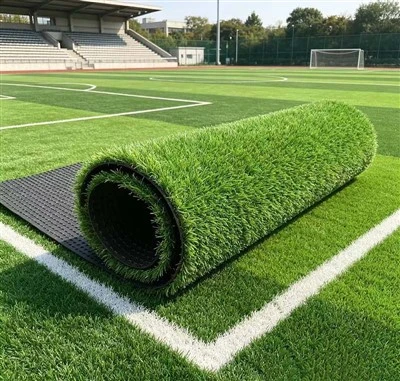
Next, the prep work that takes 10 minutes but saves you an hour of chaos. Clear the rooftop of any furniture, planters, or random junk. Then, find a corner of the turf that’s already lifting—most old rooftop turf has seamed edges that start pulling loose after a few years. If you can’t find a loose corner, take your utility knife and make a small, 6-inch cut in the turf near a wall or drain. Don’t cut deep—you only want through the turf, not into the underlayment or waterproofing. That tiny cut is your starting line. Now, this is where most people mess up: instead of just pulling the turf straight up, you want to roll it like a burrito. Grab that loose edge you made, get down on your knees (knee pads, remember), and pull upward slowly, rolling the turf as you go. Rolling it keeps the weight even, and it’s way easier than yanking a flat, bulky sheet. If you hit a seam that’s glued or taped down, don’t yank hard—that’s how you tear the turf (and if you’re reusing any, ouch) or, worse, rip up the waterproofing. Take your pry bar, gently lift the seam, and work your knife under the old tape or glue. Most rooftop turf uses landscape adhesive or double-sided tapes designed for outdoor use, so a little pry and slow work will get that seam apart.
Wait, what about that infill? Oh right, a lot of rooftop turf uses sand or rubber infill to keep the blades upright. That stuff gets everywhere. If you skip cleaning it up as you go, you’ll be finding sand in your shoes, hair, and even inside your building for months. So here’s my rule: every time you roll a 3-foot section of turf, stop and brush the infill out of the back side. Use your push broom to sweep all that loose sand or rubber into a pile, then scoop it up into your trash bag. If the infill is caked on (usually from rain splashing or foot traffic), a quick spray with a garden hose works—just make sure you have a way to drain that water off the rooftop (the drains are for that, duh). Don’t hose too much, though—you don’t want standing water that’ll leak into the building.
Now, what about the underlayment? Most rooftop turf has a thin foam or rubber underlayment under it, glued to the waterproofing. Once you’ve pulled all the turf off, you’re left with this thin, sticky sheet. Don’t panic—this is way easier than you think. First, let it dry out for a day (you’re already outside, so this is free). Then, grab your pry bar or even a stiff putty knife, and lift an edge of the underlayment. It’ll usually peel up in big sections, same as the turf, as long as it’s dry. If there are small patches that won’t lift, don’t gouge the waterproofing— that’s a $10,000 repair if you mess it up. Instead, leave those small patches, or use a little citrus-based adhesive remover (not harsh chemicals—those can damage the waterproofing) to break down the glue. Test a tiny spot first, though—some old underlayments don’t play well with chemicals.
A few pro tips that’ve saved my customers so much headache. First, don’t try to do this alone. Rooftop work is way safer with a buddy—someone to pass bags, hold the pry bar, and yell if you’re about to step too close to the edge. Second, bag your waste as you go. Don’t leave full trash bags sitting on the edge of the rooftop—get them down to ground level as you finish. Too many guys have had bags split or blow away in the wind, making a huge mess. Third, save any good turf if you plan to reuse it. Wait, but why would you reuse old turf? Maybe you’re patching a small spot, or you’re doing a new rooftop and need extra pieces. Just roll it tightly, wrap it in plastic, and keep it out of the sun until you need it. But if it’s stained, torn, or the blades are flattened beyond saving, just toss it—we can help with new turf if you need it.
Now, a quick note on what not to do. Don’t use a pressure washer on the turf while it’s still down—yes, it’s fast, but it blasts infill everywhere, and the water can seep under the turf and cause mold or leaks. Don’t use a crowbar to rip up glued seams or underlayment—you’ll scratch or tear the waterproofing, which is a nightmare to fix. And don’t skip cleaning up as you go— that infill is a nightmare to sweep off concrete once it’s dry and ground into the cracks.
Once you’re done, take 10 minutes to do a final check. Sweep all leftover crud, make sure no turf pieces are stuck in the drains (clogged drains mean water pooling, which is bad for your rooftop), and double-check that you didn’t damage any of the rooftop’s utilities (like the pipes or electrical lines that might be tucked near the edges). Then, load all your trash bags down to ground level, and you’re done.
If you’re thinking “this is way more work than I expected,” that’s fair. But listen—if you skip steps like not drying the turf first or rushing to yank it, you’ll end up with a mess that takes twice as long to fix, plus possible damage to your rooftop that’ll cost way more in repairs. That’s why we’ve worked with hundreds of building owners to supply not just great rooftop artificial turf, but also guidance on removal, installation, and maintenance that keeps your rooftop looking good for years.
Whether you’re replacing old turf because it’s worn out, or you’re upgrading to a more durable, UV-resistant option, we’ve got you covered. If you’re tired of the headache of DIY removal, or you’re ready to swap out your old turf for something new, hit us up to talk through your project. We can walk you through every step, or connect you with trusted pros that do rooftop turf removal the right way—no shortcuts, no mistakes.

At the end of the day, rooftop turf doesn’t have to be a hassle when you do it right. Take your time, use the right gear, and don’t be afraid to ask for help. And if you’re ready to make a change, just reach out—we’re here to make your next rooftop turf project as smooth as possible.
Residential Lawn References:
- International Code Council. (2021). International Existing Building Code: Rooftop Work and Structural Safety Requirements.
- Turf Manufacturers Association. (2022). Best Practices for Artificial Turf Removal and Disposal for Rooftop Applications.
- American Society of Landscape Architects. (2020). Rooftop Waterproofing Protection: Avoiding Damage During Hardscaping and Turf Installation.
- Occupational Safety and Health Administration. (2021). Fall Protection Guidelines for Rooftop Work.
- National Roofing Contractors Association. (2023). Guide to Rooftop Maintenance: Debris Removal and Waterproofing Care.
Yiwu Duofu Artificial Flower Co., Ltd.
As one of the most professional rooftop artificial turf manufacturers and suppliers in China, our products have good reputation in the market. Please feel free to wholesale bulk custom made rooftop artificial turf from our factory. Good service and quality products are available.
Address: Building B, No.566 Chunhua Road
E-mail: duofu@chinaturffactory.com
WebSite: https://www.chinaturffactory.com/
