Hey guys, let’s cut to the chase—if you’ve ever spent a sweaty Saturday pushing a clunky mower around your lawn, or shelled out big bucks for a riding mower that’s a pain to park in your tiny garage, you’ve probably wondered what the heck a remote mower is and if it’s actually worth your time. As someone who runs a remote mower supply business, I talk to folks every day who mix these two up, thinking they’re just two sides of the same grass-cutting coin. Spoiler: they’re not. Let’s break this down like we’re chatting over a cold beer after a long week, no boring jargon, just real talk about what makes each tick, who they’re for, and why remote mowers might just be the game-changer you didn’t know you needed. Remote Mower
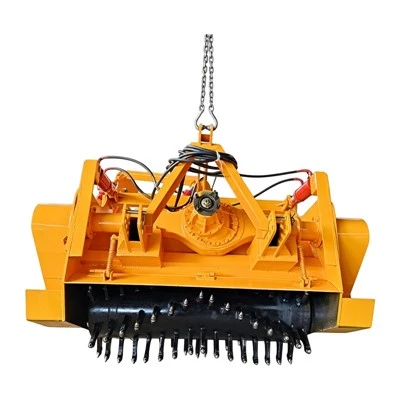
First off, let’s start with the basics because you can’t tell two things apart if you don’t know what they even are. A riding mower, right? That’s the big, bulky thing you sit on—think of the ones you see on golf courses or massive suburban lawns, with a steering wheel, a seat, and all those levers for speed and cutting height. You’re basically driving a tiny lawn care truck around, mowing as you go. The whole point is to skip pushing, obviously—you’re sitting down, cutting bigger areas faster than a push mower. Simple enough.
Now a remote mower—this one’s been popping up everywhere lately, and I get why it’s confusing. It doesn’t have a seat, you don’t sit on it at all. You control it from a distance, usually with a little handheld remote or even an app on your phone. Some newer models are even fully autonomous, meaning you just set a boundary (usually with those thin wires you bury in the grass, or some use GPS) and it does its thing all on its own, no tapping a button every two seconds. But even the basic, non-automatic ones are way different than riding mowers. Let’s get into the real differences, because this is where the rubber meets the grass.
First up: labor and effort. Let’s be real—when you use a riding mower, you’re still putting in work. Yeah, you’re sitting, but you’re steering for hours, swerving around trees, adjusting the cutting height, watching for rocks that could fly up and chip your mower deck. If you’ve got a half-acre or more, that’s a 2-3 hour session, and by the end, you’re not exactly relaxed—you’re sore, your back hurts, your arms are cramping from turning the wheel. I’ve had customers tell me they’d rather do dishes for 5 hours than mow their lawn with a riding mower.
Remote mowers? You barely lift a finger. Even the manual remote ones—you stand at your deck (or sit on your porch) and press a button to move it forward, adjust the cutting height, switch directions. The autonomous ones? You set it up once, and then you can go inside, watch TV, grill, whatever. It’s not even work—it’s just, “Hey, my lawn’s being taken care of while I do stuff I actually want to do.” That’s a huge win for anyone with a busy schedule, or anyone who hates yard work as much as I do.
Next, size and maneuverability. Riding mowers are big. Like, really big. If you have a small yard—say, under a quarter acre, or a yard with tons of trees, flower beds, narrow paths, or a weird shape—those big riding mower decks can’t fit. You’re constantly bumping into things, backing up, trying to squeeze between two trees, and you’re probably leaving spots uncut because you can’t maneuver. Also, parking a riding mower? You need a big garage or a shed, because those things take up so much space. I’ve had customers tell me they left their riding mower in the driveway all winter because they had nowhere to put it, and it got covered in snow and rusted.
Remote mowers are tiny by comparison. Most basic models are only 2-3 feet wide, and even the bigger ones for large lawns are narrower than the average riding mower. That means you can weave through trees, get around flower beds, navigate those weird, lumpy yard shapes that make riding mowers throw fits. And parking? They fit in a closet, a small garden shed, even the back of your car if you want to take it to a friend’s place to mow their lawn. No more trying to squeeze a 5-foot-wide machine into a tiny garage—game changer.
Then there’s safety. Let’s talk about this because it’s a big one, especially if you have kids or pets. Riding mowers are dangerous. Every year, I hear stories about someone running over a toy, or a small pet, because they couldn’t see it under the mower deck, or they got distracted for a second. Even worse, kids climbing on a parked riding mower and accidentally engaging the blades—those things can kill or maim in seconds. I’ve had a customer who had to replace his riding mower after his 3-year-old turned the ignition and drove it into his garden, costing him a whole season of tomatoes.
Remote mowers? The blades are much lower to the ground, and most models have safety features that stop the blades immediately if they hit something solid, or if the remote loses signal. The autonomous ones can even detect small animals or debris and slow down or stop automatically. You never have to worry about a kid or pet getting hurt because they can’t accidentally start the mower, and you’re in control the whole time—if something pops up, you press stop and it’s over. That peace of mind is worth every penny, honestly.
Cost is another big one, and people always ask me which is cheaper. Let’s break it down. A basic riding mower will set you back anywhere from $1,500 to $3,000, right? The nicer ones for big lawns can be $5,000 or more. A basic remote mower—even the decent ones—start around $800, which is half the price of an entry-level riding mower. The autonomous ones are a bit more, usually around $2,000 to $4,000, but that’s still less than a high-end riding mower. And let’s not forget maintenance. Riding mowers have way more parts—engine, transmission, steering wheel, brakes, big mower decks that need constant upkeep. You’re changing oil, replacing spark plugs, fixing belts, sharpening blades every few months, and that adds up. Remote mowers have smaller engines (or even battery-powered, which is way less maintenance), fewer moving parts, and blades that last longer because they don’t hit as many rocks or debris. I’ve had customers tell me their remote mower only needs maintenance once a year, versus their old riding mower which needed work every month. That’s extra cash in your pocket, not out.
Wait, but let’s be fair—neither is perfect, right? Riding mowers are still better for super large lawns, like an acre or more, where you need to cut a lot of grass fast. If you have a massive open field, a riding mower will get the job done quicker than even a big remote mower, which might take a few passes. Also, riding mowers can handle thicker, taller grass easier, right? Wait, no—wait, actually, some remote mowers these days can handle pretty tall grass, but it depends on the model. But if you have acres and acres of totally flat, open lawn, a riding mower might be the way to go for speed. But for most people—suburban homeowners with half an acre, yards with curves and obstacles, small lots—remote mowers are better.
Another thing: power source. Riding mowers are usually gas-powered, which means you have to buy gas, store it, and deal with oil changes, spills, all that yucky stuff. Gas is expensive, and it’s bad for the environment—they emit a ton of fumes, way more than a car even. Remote mowers, on the other hand, are mostly battery-powered now. No gas, no fumes, just charge it up overnight and it’s ready to go. Some higher-end models are solar-powered, too, which is even better. I’ve had customers say they save hundreds a year on gas just by switching from their riding mower to a remote one. That’s a big deal when gas is $3 a gallon, right?
Oh, and let’s talk about time, because that’s what everyone values most. With a riding mower, you’re committing hours—like, if you have a half-acre, that’s 2-3 hours of straight driving, no breaks. If it’s hot out, you’re miserable. With a remote mower, even if you’re using the manual one, you’re only at the controls for 10 or 15 minutes, then you let it go, grab a drink, and come back when it’s done. The autonomous ones? You can be at work, at the gym, on vacation, and your lawn is being mowed. I had a customer last summer who went camping for 4 days, came home, and his lawn was perfectly cut—no mowing before he left, no rushing to do it when he got back. That’s insane, right? You can’t do that with a riding mower.
Wait, but let’s clear up a common misconception: remote mowers aren’t just for tiny yards. I’ve sold models that work on up to 5 acres, as long as you set the boundary right. So even if you have a big property, you don’t need a bulky riding mower. Just get a bigger remote mower, set the wires (or use GPS) to mark where it can go, and it’ll cover every inch. No steering, no cramping, no obstacles holding it back.
Safety again, because I can’t stress that enough. I once had a guy come to me who lost his dog under his riding mower—he backed up, didn’t see the golden retriever, and ran over it. It was the worst thing he ever went through, and he switched to a remote mower the next week. He told me it was the best decision he made for his family, because he never has to worry about something like that happening again. That’s not a story you hear about remote mowers, because you’re in control, you can see exactly where the mower is, and it stops on a dime if it hits anything.
Maintenance, let’s circle back because it’s a big pain point. A friend of mine had a riding mower that broke down every other month. One time, the transmission went out, and it cost $1,200 to fix—almost as much as he paid for the mower. Remote mowers? Most of the time, all you have to do is sharpen the blades once a year, maybe replace a battery every 3-5 years, and that’s it. No oil changes, no spark plugs, no belts breaking all the time. That’s way less stress, and way less money spent on repairs.
Now, let’s talk about who should get which, just to wrap this up. If you have a large, flat, open lawn (1 acre or more, no trees, no flower beds, super simple), a riding mower might be worth it for the speed. But if you have any kind of obstacles—trees, paths, flower beds, a small or weirdly shaped yard, a busy schedule, kids or pets, or just hate yard work with a passion—remote mower is the way to go. It’s less work, safer, cheaper, saves you time, and fits in your garage way easier.
At the end of the day, it all comes down to what you value. If you want to spend your weekends mowing, sweating, and sore, get a riding mower. If you want to spend your weekends doing stuff you actually enjoy, while your lawn gets taken care of, a remote mower is a no-brainer. I’ve been selling remote mowers for years, and the feedback I get is always the same: customers say they can’t believe they waited so long to switch. No more dragging a heavy mower out of the garage, no more wasting Saturday afternoons on yard work, no more worrying about safety. It’s just a better way to take care of your lawn.
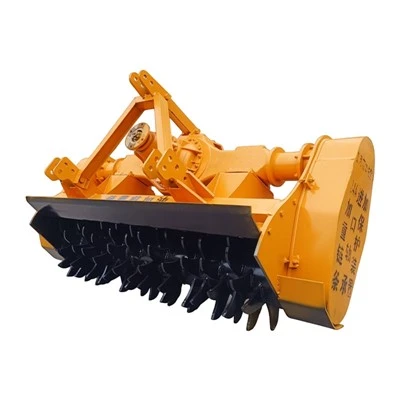
If you’re tired of your riding mower taking up too much space, breaking down all the time, or turning your weekend into a chore, hit me up to chat about remote mowers. We can go over your yard size, your needs, and find a model that works for you. No pressure, no salesy stuff—just real advice from someone who’s seen both sides. Your lawn doesn’t have to be a hassle, and neither does taking care of it. Let’s make yard work actually painless, yeah?
Cold Recycling Mixer References:
- Lawn Institute. (2023). 2023 U.S. Lawn Care Trends Report.
- Consumer Reports. (2024). Riding Mower and Remote Lawn Mower Comparative Review.
- Environmental Protection Agency. (2022). Emissions and Efficiency of Small Gas-Powered Lawn Equipment.
- National Safety Council. (2023). Riding Lawn Mower Safety Incidence Data.
- Outdoor Power Equipment Institute. (2024). Maintenance Costs for Residential Lawn Care Equipment.
Zhihao Highway Engineering Machinery Co., Ltd.
As one of the most professional remote mower manufacturers and suppliers in China, we have world-leading production equipment and strong manufacturing capabilities. Please rest assured to wholesale customized remote mower made in China here from our factory. For price consultation, contact us.
Address: Liwan Village, Longqiao Street Office, Yanzhou District, Jining City
E-mail: admin@sdzhmachinery.com
WebSite: https://www.zhroadmach.com/
