If you’ve ever wandered around a downtown business district—say, a sunlit lobby of a mid-rise office building or a sleek modern retail store with floor-to-ceiling glass—chances are you’ve looked through insulated glass without even realizing it. As someone who’s been in the insulated glass supply game for over 12 years, I get asked this question all the time by commercial building owners, architects, and facility managers: Can insulated glass actually work for commercial spaces? The short answer? Hell yes. But let’s dive into why it’s not just a trend, it’s a game-changer for how commercial buildings perform, save money, and even treat the people who work or shop in them. Insulated Glass
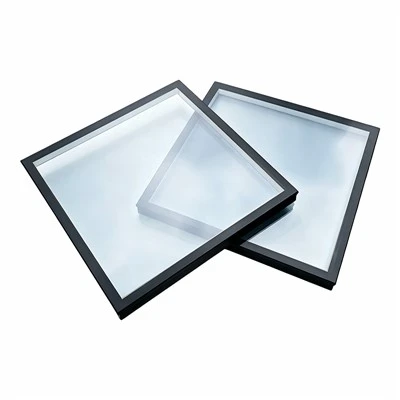
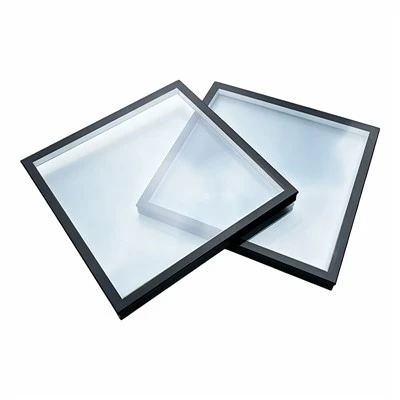
First off, let’s cut through the basic jargon so we’re all on the same page. Insulated glass (or IG, as I call it in the trade) isn’t just two panes of glass stuck together. It’s two (or sometimes three) separate glass units separated by a hermetically sealed air space—sometimes filled with inert gases like argon or krypton, which are way better at insulating than plain old air. That seal is key; if it breaks, the gas leaks out, and the IG unit becomes just two regular panes with a gap, which does next to nothing for efficiency. For commercial use, that air gap is usually ½ inch to ¾ inch wide, and the glass itself might be low-e coated— a micro-thin layer on the glass that reflects heat back where it belongs, depending on the season.
So why does this matter for commercial buildings specifically? Let’s start with the big one: energy costs. Commercial spaces gobble up energy like crazy—think 9-to-5 offices open 8+ hours a day, retail stores that stay lit all evening, restaurants with constant heating and cooling. I’ve had a client recently, a 10-story office building in Chicago, who swapped out their old single-pane windows for insulated glass two years ago. Their monthly heating and cooling bills dropped by 28%—that’s not pocket change for a building with 50,000 square feet of window space.
Here’s the science behind that: in the winter, low-e coated insulated glass traps indoor heat instead of letting it escape through the window. In the summer, it blocks that scorching sunlight from turning your office into a sauna, so your AC doesn’t have to work overtime. For big commercial buildings, those savings add up fast. I’ve calculated that for a 100,000-square-foot building, switching to high-quality insulated glass can save you $15,000 to $30,000 a year on utility bills. That’s money that can go toward raises, new equipment, or even just keeping the doors open.
Next up, comfort for the people inside. Commercial spaces aren’t just about saving cash—they’re about keeping employees happy and customers comfortable. Single-pane windows have that annoying cold draft in the winter, right? You sit by the window, and your feet feel like they’re on ice even if the thermostat is set to 72 degrees. Insulated glass eliminates that because the inner pane stays at a consistent temperature. I remember a retail client in Phoenix who had complaints from customers that the window-side checkout lanes were freezing in the summer (thanks to AC blowing on them) and blazing hot in the winter (from the sun). After we installed insulated glass with low-e coating, those complaints dropped by 90%. Shoppers actually stayed in those lanes longer, which meant more sales for the store.
Also, let’s talk about noise. Commercial areas are loud—traffic, construction, HVAC systems, people talking. If your building is on a busy street, insulated glass is way better at soundproofing than regular glass. For hospitals or hotels (which are commercial too), that’s a huge deal. I worked with a hospital in Houston that had patient rooms right next to a major highway. They installed insulated glass with a thicker outer pane and a different inner pane, and the noise level dropped by 40 decibels— that’s like going from standing next to a busy road to sitting in a quiet living room. Patients actually got better sleep, which their nurses said helped with recovery times.
Wait, but let’s address the elephant in the room: is insulated glass durable enough for commercial use? I get this question all the time because commercial buildings deal with heavy foot traffic, wind, weather, and sometimes even accidents. The short answer is, when it’s made right, yes. A high-quality insulated glass unit is designed to withstand all that. The seal we use in our factory is a dual-seal system—primary butyl seal and secondary structural silicone—so it won’t break down from temperature changes or UV rays. We also use tempered glass for commercial projects because it’s 4 times stronger than regular glass, and if it does break, it shatters into small, harmless pieces instead of sharp shards. That’s a big safety win for places where kids might be running around (like retail stores or restaurants) or where a broken window could be a hazard for employees.
Another plus: building codes and certifications. More and more cities are tightening up their energy codes for commercial buildings, especially in places like California, New York, and Texas. Insulated glass is usually certified to meet those codes, so you don’t have to worry about getting fined or having to redo your windows later. We work with architects all the time to make sure our IG units meet Energy Star standards, which is often required for new commercial construction or renovations that get tax incentives. A lot of commercial building owners don’t realize that choosing Energy Star insulated glass can get them tax credits worth thousands of dollars— that’s another reason it makes financial sense.
But wait, it’s not all perfect. There are a few things to keep in mind if you’re thinking about insulated glass for your commercial project. First, you can’t just buy the cheapest IG unit you can find. If the seal is bad from the start, it’ll leak gas, get foggy between the panes, and stop working in 5 years instead of 20. We’ve had clients come to us after using a cheap installer who cut corners, and their windows were foggy within 3 years—costing them more in repairs than if they’d bought quality glass from the start. Second, you have to consider the climate. If you’re in a super cold place like Minnesota, you need a wider air gap and a higher quality low-e coating than if you’re in a mild climate like Florida. We do custom units for every client based on their location and building needs—one size doesn’t fit all here.
I also want to talk about sustainability, because that’s huge for commercial buildings these days. A lot of businesses care about their carbon footprint, and insulated glass helps with that by reducing energy use. Less energy means less greenhouse gas emissions from power plants. Also, glass is 100% recyclable, so at the end of its life, you can send it to a recycling center instead of a landfill. We even recycle all the scrap glass from our factory—nothing goes to waste. That’s a big selling point for businesses that want to market themselves as eco-friendly.
Let me give you a real example. Last year, we worked on a grocery store chain that was building a new location in Denver. They wanted to make it as energy-efficient as possible to cut long-term costs and appeal to customers who care about sustainability. We installed insulated glass units with argon gas and low-e coating, plus tinted glass to block sun glare. The store’s energy bills are 35% lower than their older locations, and they’ve gotten local awards for their green design. The store manager told us that customers comment on how comfortable it is inside, even on super hot or cold days. That’s exactly what insulated glass is supposed to do—work for both the bottom line and the people using the space.
So, to circle back to the original question: can insulated glass be used for commercial buildings? Absolutely. It’s not just for residential homes anymore— it’s a staple in office buildings, retail stores, hospitals, hotels, restaurants, and more. It saves money on energy, improves comfort, reduces noise, meets building codes, and is even good for the environment. The key is to work with a reputable supplier who knows what they’re doing, uses quality materials, and customizes the units to your specific climate and building needs.
If you’re a commercial building owner, architect, or facility manager thinking about upgrading your windows for a new build or renovation, don’t sleep on insulated glass. It’s an investment that pays off for years to come. We’ve helped hundreds of commercial clients get the right IG units for their projects, and we’d be happy to chat through your options, answer any questions, and give you a custom quote. Don’t waste another penny on old, inefficient windows—let’s make your commercial space better, more comfortable, and cheaper to run.
Get in touch with us today to start talking about your insulated glass needs.
Flat Tempered Glass References
- U.S. Department of Energy. (2022). Energy Efficiency Improvements for Commercial Buildings. Retrieved from DOE Commercial Building Energy Savings Database
- Glass Association of North America. (2021). Insulated Glass Performance Standards for Commercial Construction. GNA Commercial Building Code Guidelines
- Environmental Protection Agency. (2023). Energy Star Certified Insulated Glass for Commercial Facilities. EPA Sustainable Building Materials Report
- National Institute of Building Sciences. (2022). Whole Building Design Guide: Window Performance for Commercial Structures. NIBS Commercial Building Design Standards
Suzhou Dingcheng Tempered Glass Co., Ltd.
As one of the most professional insulated glass manufacturers and suppliers in China, we also support customized service. We warmly welcome you to wholesale high quality insulated glass made in China here from our factory. If you have any enquiry about free sample, please feel free to email us.
Address: No.777 Limin North Road, Lili Town, Wujiang District, Suzhou City, Jiangsu Province
E-mail: Dingchengglass@163.com
WebSite: https://www.dingchengglass.com/
