If you’ve ever stood in front of a network room humming softly in the corner of a building, or watched a server farm run 24/7 to keep a company’s operations online, you know how critical precision air conditioners (PACs) are. As a precision air conditioner supplier, I get asked a lot of questions about these units—most recently, one that’s come up again and again over the past year: Can precision air conditioners be installed outdoors? At first glance, the question makes sense. Outdoor space is often limited in urban areas, and indoor spots are already taken by racks, wiring, and other critical equipment. But the answer isn’t a simple yes or no. It’s a balance of engineering, practicality, and long-term performance, and I’ve seen this play out with both successful installations and costly missteps over my 12 years in this industry. Let me break down what I’ve learned. precision air conditioner
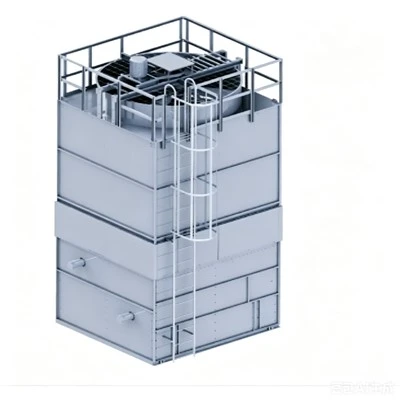
First, let’s clarify what a precision air conditioner is, because that’s where a lot of the confusion starts. Unlike the residential AC unit that cools your living room to a comfortable 72°F, PACs are built for controlled environments—think data centers, server rooms, telecom hubs, medical labs, or manufacturing clean rooms. Their job isn’t just to lower temperature; it’s to maintain a consistent temperature (usually within ±1°F of a set point) and humidity (±2% relative humidity) 24/7, even when the load is at its peak. Residential ACs can shut off or run at reduced capacity when they don’t need to, but PACs have to operate non-stop because even a 2°F temperature swing in a server room can lead to hardware failure, and high humidity can cause corrosion or short circuits. That core design is what makes outdoor installation tricky, but also possible with the right setup.
Not all PACs are built for outdoor use, and that’s the first rule I hammer into every customer. When I started in this business, I once had a customer who tried to take an indoor PAC unit and plop it on a concrete pad outside their telecom shelter because they had no more indoor space. They thought it was just a box that cools air—how hard could it be? A month later, they were calling me, panicking because the unit had overheated in the mid-summer sun and their network went down for 6 hours. The problem? Indoor PACs have components that aren’t sealed for outdoor elements, and their cooling cycles are calibrated for stable indoor temperatures, not the extreme swings of outside.
Outdoor-rated PACs are a different animal entirely. They have reinforced, weather-tight casings that protect sensitive parts like compressors, circuit boards, and evaporators from rain, snow, UV radiation, and even dust or salt air (if you’re in a coastal area). Their compressors are designed to run in temperatures ranging from -40°F to 120°F, depending on the model, so they can handle both a cold winter and a hot summer. They also have built-in defrost systems for cold climates, which indoor PACs don’t need. The key here is that these units are tested to meet industry standards for outdoor operation—like the ASHRAE 127 standard for the performance of data center cooling equipment. That’s not a box you can pick up off a warehouse shelf; it’s engineered from the ground up to survive outside.
Even with an outdoor-rated unit, the location of the installation matters more than you’d think. I’ve seen three different outdoor setups work well, and two that failed completely. Let’s start with the failed ones first, because those are the stories that stick with me. A construction company in Phoenix once called me to install an outdoor PAC on the roof of their new office building, right next to a hot exhaust vent from a kitchen. The unit’s condenser was pulling in that 140°F exhaust air instead of cool outdoor air, so it had to work twice as hard to cool the server room. Within three months, the compressor burned out. Another common mistake is putting the unit in a spot where it gets covered in leaves, snow, or debris—like under a tree that sheds a lot. The air intake gets blocked, and the unit can’t exchange heat properly, leading to overheating.
On the flip side, the successful installations I’ve worked on all follow three rules. First, they have unobstructed airflow. The unit is placed at least 3 feet away from any walls, other equipment, or overhead structures, and the air intake and exhaust are facing opposite directions to avoid short cycling (when hot air from the exhaust gets sucked back into the intake). Second, they’re positioned to avoid extreme exposure. In very hot climates, we put them in shaded spots, or use small canopies that cover the top but don’t block airflow. In cold climates, we elevate them slightly on a concrete pad to prevent snow from piling up around the base, and make sure they’re not facing directly into prevailing winds that could bring heavy ice. Third, they’re protected from corrosive or damaging elements. For coastal clients, we add a salt-resistant coating to the casings, and for industrial sites with high dust or chemical fumes, we install extra filters.
There are also key benefits to outdoor PAC installation that have made it a popular choice over the past five years, especially as data centers and telecom hubs pop up in urban areas where indoor space is at a premium. The biggest one is space. A typical data center can save 10-15% of its floor space by moving PACs outside—space that can be used for more servers, storage, or even office areas. That translates directly to lower operational costs, because building out data center space is expensive. Another benefit is maintenance. Outdoor units are easier to access for technicians—no need to crawl under a raised floor or work around racks in a tight server room. We had a client in Chicago who used to spend 4 hours a week doing PAC maintenance in their basement server room; after moving the unit outside, that time dropped to 1 hour a week, because they can work on it from the ground without disrupting operations. Energy efficiency is another win. Outdoor PACs can use ambient air to cool the space when the outdoor temperature is low, so they don’t have to run their compressors as much. In fact, many modern outdoor PACs have “free cooling” modes that can cut energy use by up to 30% in mild climates.
But here’s the thing: outdoor installation isn’t right for every situation. I always ask customers a series of questions before I even mention outdoor units. Do you have extreme temperature swings? If you’re in a place that goes from 20°F in winter to 110°F in summer, you need a unit that’s rated for that range, and it will cost more than a standard indoor PAC. Do you have space for proper airflow? If your rooftop is cluttered with HVAC units and solar panels, there might not be a spot that doesn’t cause short cycling. Are you in a remote location with no access to regular maintenance? Outdoor units need occasional checks for debris, filter changes, and compressor inspections—if you’re far from a technician, an indoor unit might be more reliable because it’s in a controlled space. I also always warn customers about noise. Outdoor PACs are louder than indoor ones, because they’re in an open space. If your server room is near residential areas or offices where noise is a concern, you might need to add sound-dampening enclosures, which add to the cost.
I’ve had customers come to me thinking outdoor installation is a magic fix for their space problems, and others who are convinced it’s a disaster waiting to happen. The truth is, it’s neither—it’s a solution that works when done right, with the right equipment and the right planning. Last year, I worked with a small bank in Miami that was expanding its server room and had no more indoor space. They opted for two outdoor-rated PACs, placed on a concrete pad behind their building, with a small canopy for shade. We installed them in a spot that had plenty of airflow, and added salt-resistant coatings because of their coastal location. A year later, their server room has stayed within ±1°F, their maintenance costs are down, and they didn’t have to add expensive floor space for the units. It’s been a success story I reference all the time.
Another example is a manufacturing plant in Detroit that needed to cool a clean room for their medical device production. Their indoor PAC was failing because of dust and fumes from the factory floor, so moving it outside made sense. We chose an outdoor unit with a sealed filter system, elevated it on a pad to avoid snow, and placed it away from the loading dock where dust blew in. The unit has run reliably for 18 months, with no issues from the factory environment. These projects aren’t accidents—they’re the result of following engineering guidelines, using the right equipment, and planning for the specific conditions of each site.
As a supplier, my job isn’t just to sell a PAC unit—it’s to help customers make the right decision for their needs. When someone asks if they can install a PAC outdoors, my answer is: “Yes, if you use an outdoor-rated unit, plan for airflow and environmental conditions, and work with an experienced supplier.” I’ve seen too many companies cut corners here, using indoor units outside, choosing the wrong location, or skipping maintenance, and end up with costly downtime. The cost of replacing a server due to overheating is tens of thousands of dollars—way more than the extra cost of a proper outdoor PAC installation.
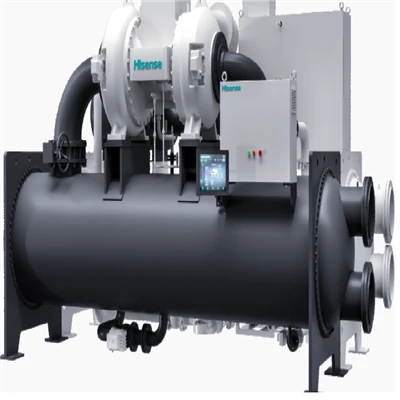
At the end of the day, precision air conditioners are built for reliability and consistency, no matter where they’re installed. Outdoor installation is a valid option that works for many businesses, especially as space becomes more valuable. The key is to not treat it like a residential AC plugged into a window. It requires specialized equipment, careful planning, and a team that understands the unique challenges of cooling critical environments outside. If you’re considering an outdoor precision air conditioner installation, or have questions about whether it’s right for your business, I encourage you to reach out and connect. We can walk through your space, your climate, and your needs, and help you find a solution that keeps your critical systems running smoothly for years to come. Don’t take chances with equipment failures or avoidable downtime—let’s talk through your project today.
Greenhouse Dehumidifier References
- ASHRAE. (2021). Standard 127-2021: Method of Testing for Rating Computer and Data Processing Room Unitary Air Conditioners. American Society of Heating, Refrigerating and Air-Conditioning Engineers.
- U.S. Department of Energy. (2022). Data Center Cooling Best Practices. Energy Efficiency and Renewable Energy Office.
- Carrier Global Corporation. (2023). Precision HVAC for Outdoor Data Center Applications. Technical Application Note.
- International Electrotechnical Commission (IEC). (2020). Standard 60335-2-40: Safety of Household and Similar Electrical Appliances – Part 2-40: Particular Requirements for Heat Pumps, Air-Conditioners and Dehumidifiers.
Hangzhou Dayu HVAC Engineering Co., Ltd.
As one of the most professional precision air conditioner manufacturers and suppliers in China, we have world-leading production equipment and strong manufacturing capabilities. If you’re going to buy customized precision air conditioner made in China, welcome to get quotation from our factory. For price consultation, contact us.
Address: Room 1004, Building 1, Xicheng Business Tower, Xihu District, Hangzhou City, Zhejiang Province, China
E-mail: info@hi-hvac.com
WebSite: https://www.hi-hvac.com/
