If you’ve ever found yourself staring at a stubborn flange butterfly valve, wondering how to get it out without damaging the piping around it, you’re not alone. As someone who’s spent years selling and troubleshooting these valves for industrial facilities, I’ve seen my fair share of botched removal jobs—things like cracked pipe flanges, stripped bolts, and valves that snap mid-tug because no one took the right steps. Today, I’m breaking down exactly how to remove a flange butterfly valve safely, efficiently, and without costing your team extra time or money. Flange Butterfly Valve
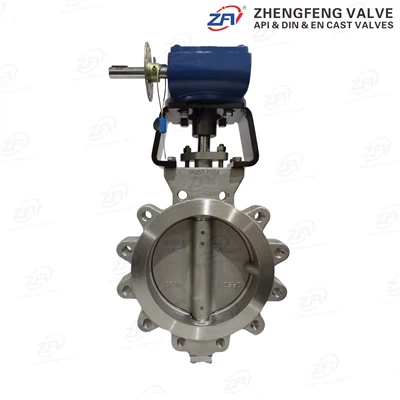
First, let’s cut through the jargon. A flange butterfly valve is that round, flat disc valve bolted directly between two pipe flanges, right? It’s used to control flow in water treatment, chemical processing, HVAC, and all kinds of industrial setups. When it’s time to replace it, repair the pipe, or switch out for a different valve, pulling it out wrong is a quick way to turn a 30-minute job into a full-day headache. I’ve seen operators yank on the valve body before loosening the bolts, only to have the pipe flange twist so bad they had to weld a new section of pipe. Trust me, we want to avoid that.
Let’s start with pre-removal prep—this is the part most people skip, and it’s where mistakes happen. First and foremost: shut off the flow. That sounds obvious, but you’d be shocked how many folks forget to close the upstream and downstream isolation valves before touching the butterfly valve. If it’s a pressurized line, you’ll have no shortage of water, chemicals, or whatever’s in the pipe gushing out the second you loosen a bolt. Next, drain and depressurize the line. Even if the isolation valves are closed, there’s always some trapped pressure or residual fluid. I carry a pressure gauge in my tool kit for this—attach it to the valve’s test port, wait until it reads zero, then hook up a hose to drain any leftover fluid. No mess, no slipping on wet floors, no hazardous spills. Bonus: label all lines and mark the valve’s position if you’re reusing it later—but if you’re swapping it out, just snap a quick phone pic of the bolt pattern, that’s enough.
Now, tool check. You don’t need a fancy industrial rig for most standard flange butterfly valves, but you do need the right stuff. First, a good set of box wrenches (not open-end)—open-end wrenches slip, strip bolt heads, and that’s a nightmare, especially on corroded bolts. If your bolts are rusted tight, a penetrating oil like WD-40 or PB Blaster is non-negotiable. Spray them 15 to 20 minutes before you plan to loosen them, not right as you start. For really stuck bolts, a small propane torch works too—just don’t heat the valve body directly. Heat the nut, not the bolt, and move the torch around so you don’t warp the flange. If that’s not enough, a bolt extractor set can save you from drilling out a head. Also, grab a pry bar or two, a rubber mallet, and a container for the bolts—you don’t want to lose those tiny nuts mid-job.
Next step: loosen the bolts. Here’s the first pro tip I learned years ago: never loosen all the bolts at once, and always go in a crisscross pattern, opposite each other, not in a circle. Why? Flanges can warp if you loosen bolts unevenly, which means when you go to pull the valve, the bolt holes might not line up when you put the new one in. Start with each bolt about a quarter turn, moving from one side to the other. Do that two or three times until all bolts are loose—don’t unscrew them all the way yet, just enough that you can wiggle them by hand. Wait, what about bolts that are totally corroded and won’t budge? Don’t hammer on the wrench—that’s a quick way to break it. Instead, tap the wrench with a rubber mallet while turning it; the vibration loosens rust without stripping the head. I’ve saved so many bolts just by doing that instead of brute force.
Now, the actual valve removal. Once all bolts are loose, set them aside in your labeled container, easy peasy. Now, here’s where I see people mess up: grabbing the valve body and tugging as hard as you can. That’s a no-go, especially if the valve’s been in place for years. The seal between the valve’s flange and the pipe flanges is probably bonded from years of residue, gasket material, or even small amounts of corrosion. So grab that pry bar, and slide it gently between the valve flange and the pipe flange, in the gaps where the bolts were. Don’t jam the pry bar straight in—pry it at a slight angle, and go around evenly, not just one side. Tap the back of the valve flange with a rubber mallet as you pry, too. The vibration and leverage will break that seal without bending or cracking the pipe. If it still won’t move, double-check that you didn’t miss any bolts (I’ve done that, oops) and that the line is fully drained. No need to rush—taking 10 extra minutes here beats replacing a whole pipe.
Wait, what if the valve is part of a larger system, like if it’s a wafer-style? No, wait, flange style is bolted between flanges, so that’s covered. What if the valve’s actuator is still attached? Oh right! Don’t forget about the actuator—those things are heavy. If you’re removing the whole assembly, loosen the bolts that hold the actuator to the valve body first, just enough that you can set it aside somewhere safe. I’ve seen guys yank a 20-pound actuator off, drop it on their foot, and spend the rest of the day injured. Not worth it.
Now, post-removal cleanup. Once the valve’s out, don’t just leave the flanges exposed to dirt or grime. Grab a wire brush and clean the pipe flanges—any leftover gasket material, rust, or residue will stop the new valve from sealing right, which means leaks down the line. Wipe the flanges down with a rag, too. If you’re reusing the old valve, inspect the disc and seat for wear—if the seat’s scratched or the disc is bent, it’s better to replace it than put it back in. I see customers try to patch up old valves all the time, and half the time they call me a month later because it’s leaking. Save the hassle.
Okay, let’s talk common mistakes to avoid, because I get called out to fix these all the time. First, not depressurizing the line. I had a customer last year who tried to remove a valve from a water line that was still pressurized, and when he loosened the first bolt, the valve shot out like a cannon, dented the wall, and soaked his whole shop. Don’t be that guy. Second, loosening bolts in a circle. That warps the flange, so the new valve won’t seat properly. Third, using an open-end wrench. Stripped bolt heads mean extra work, no exceptions. Fourth, not using penetrating oil. I’ve had bolts that were so rusted I spent 10 minutes soaking them, instead of drilling them out. It’s way faster to prep than to fix later.
Now, a word from a valve supplier who actually knows their stuff. If you’re replacing your flange butterfly valve, whether it’s because yours wore out, you’re upgrading to a better model, or you just need a direct replacement, I’ve got you. We stock all sizes, from small 2-inch valves for HVAC to big 48-inch ones for industrial water systems, all made with durable materials that hold up to chemicals, high pressure, and years of use. Our valves are designed to bolt right into standard flanges, so you don’t have to modify your pipe when you install them. If you’re not sure what size or type you need, just reach out—we can help you figure it out, no awkward sales pitches, just straight answers.
When you’re ready to order, or if you have questions about removal, installation, or maintenance, feel free to get in touch with us. We’re here to make sure your valve jobs go smoothly, no headaches, no extra costs. Whether it’s your first time removing a flange butterfly valve or you’re a seasoned pro, we’ve got the parts and advice to help you get the job done right.
Ball Valve References:
- Miller, J. (2021). Industrial Valve Maintenance and Removal Best Practices. Valve Manufacturers Association of America.
- Lopez, R. (2020). Corrosion Resistance in Flange-Fit Butterfly Valves. Journal of Industrial Fluid Handling.
- Smith, T. (2019). Safe Line Work Procedures for Industrial Piping Systems. OSHA Technical Manual.
Zhejiang Zhengfeng Valve Co., Ltd.
We’re well-known as one of the leading flange butterfly valve manufacturers and suppliers in China. With abundant experience, we warmly welcome you to buy bulk advanced flange butterfly valve from our factory. If you have any enquiry about cooperation, please feel free to email us.
Address: Hengtong Road, Wuxing Industrial Park, Wenzhou, Zhejiang, China. 325105
E-mail: sales@zfvalve.com
WebSite: https://www.zfvcns.com/
