Alright, let’s cut to the chase. If you’re an apparel printer and someone comes to you with athletic wear, you’re probably asking yourself two things: 1) Can I even do this without messing everything up? and 2) Why would anyone ask me—a regular apparel printer—to handle gear that’s mostly used for running, gym sessions, and sports? Apparel Printer
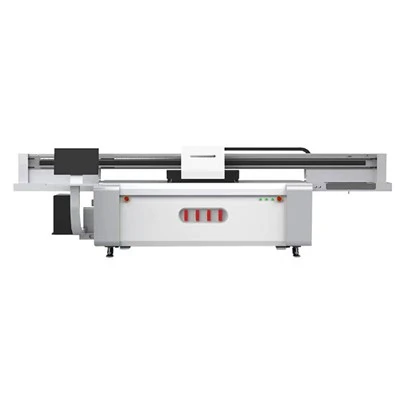
I get it. Most of us started printing on tees, hoodies, and that casual stuff everyone wears to the mall. Athletic wear feels like a whole different beast—thicker, stretchier, weird fabrics. But here’s the truth: You absolutely can print on athletic wear. It’s not just for those specialty sports brands that have huge budgets for custom tech. And as someone who’s been an apparel printer supplier for years, I’ve helped tons of fellow print shops nail this (and avoid the mistakes that cost them time and money). Let’s break this down like we’re chatting over coffee, not a textbook.
First, let’s talk about what makes athletic wear different. It’s not cotton, that’s for sure. Most of the stuff you’ll see is polyester, polyester blends, spandex (also called elastane), or even moisture-wicking fabrics like nylon or polyester-viscose blends. Why? Because athletic wear needs to stretch, breathe, and not hold onto sweat. Regular cotton tees get heavy when wet, shrink, and stretch out over time—terrible for running marathons or lifting weights.
Now, here’s the problem with printing on these fabrics: They’re non-porous, stretchy, and they move. Regular plastisol ink (the stuff you use for t-shirts) is thick, sits on top of the fabric, and doesn’t stretch well. If you print it on spandex and then stretch the shirt, the ink cracks. Not cool. Also, a lot of these fabrics have a water-repellent coating (to keep sweat out, basically) that makes ink not stick. If you don’t prep that right, your designs will peel off after the first wash.
So what works? Let’s get into the actual printing methods. Screen printing is still the go-to for most bulk orders, but you can’t use regular plastisol. You need athletic-grade plastisol—it’s flexible, stretches with the fabric, and doesn’t crack. Some brands call it “stretch ink” or “sport ink.” I’ve seen shops skip this and use regular stuff, and they end up reprinting half the order. Waste of time, waste of money. Trust me on that.
Then there’s direct-to-garment (DTG) printing. Wait, can DTG do athletic wear? Yes, but only if your DTG printer is set up right. Regular DTG pre-treatments are for cotton. For polyester and spandex, you need a special pre-treatment that’s designed to bond with synthetic fabrics. If you skip that, the ink will fade fast—like, after two washes, it’s gone. I’ve had customers tell me they tried DTG on athletic gear and it didn’t work, but when we adjusted the pre-treatment, it was perfect. It’s just not a “set it and forget it” deal.
Heat transfer? That’s another option, especially for smaller runs or single items. But not the cheap iron-on stuff you buy at the craft store. You need heat transfer vinyl (HTV) that’s made for athletic fabrics. Stretch HTV is super flexible—you can pull it, bend it, and it won’t come off. Some shops use regular HTV and then wonder why the design peels during a game. Also, the temperature matters too. Polyester melts easier than cotton, so you can’t crank the heat up too high. That’s a common mistake.
Wait, let’s talk about prep work—this is non-negotiable. Athletic wear often has that silicony water-repellent finish. You can’t just print on it straight. You need to abrade the surface a little. How? Use a soft sanding pad (like 220-grit) to lightly scuff the area you’re printing on. Not too hard, you don’t want to ruin the fabric, just enough to rough it up so the ink can grip. Then wipe it down with a lint roller and a little rubbing alcohol to get rid of dust. Skip this, and you’ll have designs falling off left and right. I’ve seen shops skip abrasion and lose 50 pieces in one order—total nightmare.
Another big thing: Curing. Regular plastisol needs to cure at 320-330 degrees Fahrenheit, but athletic-grade plastisol is lower? Wait, no—actually, it’s similar, but you have to make sure it’s fully cured. If the ink isn’t dry all the way, it will wash off. For screen printing, use a conveyor dryer. If you’re printing on a stretch fabric, make sure the conveyor’s speed is right so the fabric doesn’t stretch as it goes through. Too fast, and the ink won’t cure. Too slow, and the fabric might get too hot (polyester can melt if it’s over 350 degrees). I used to rush curing and ended up with a bunch of “wet ink” disasters. Now I test a small piece first—touch it, rub it, make sure it’s not tacky before letting it leave the shop.
Let’s get into some real-world examples. Last year, a local gym came to me wanting custom tank tops for their crossfit team. The fabric was 90% polyester, 10% spandex—super stretchy, moisture-wicking. The shop they’d used before said they couldn’t do it because it was athletic wear. I hooked them up with a print shop that uses athletic-grade plastisol and did a test print first. The design was a big logo on the chest, and they added a little extra flexibility to the ink. The customer was so happy—they’ve ordered 3 more batches since. Another example: A high school soccer team needed warm-up jackets. Those are usually nylon, which is smooth. The print shop used DTG with the special pre-treatment, and the designs didn’t fade even after the season (which is a lot of washes and sweating).
Wait, but what about the downsides? It’s not all rainbows. Athletic wear can be more delicate than regular tees. If you’re screen printing, the mesh count might be different. You need a finer mesh (like 110 or 150) to get a crisp design on smooth synthetic fabrics. Coarse mesh (86) is for heavy cotton, so it’ll leave the design blurry. Also, the artwork matters. If you have a thick, solid design, that’s easier. If it’s tiny, detailed text, you have to make sure the ink doesn’t crack around the edges. We always tell customers to simplify artwork a bit for athletic wear—less fine lines, bolder shapes. It saves a lot of headaches.
Another thing: Washing instructions. You can print the best design in the world, but if the customer washes their athletic wear in hot water with bleach, it’s gonna fade. But that’s true for any printed apparel. We just make sure to label the tags: “Turn inside out, wash cold, no bleach, line dry or low heat dry.” That’s standard, but important to mention when you’re taking the order.
Now, as an apparel printer supplier, here’s what I do to help my clients nail this. I don’t just sell them ink or equipment. I give them a cheat sheet: How to abrade the fabric, what ink to use for which fabric, curing temperatures, and test print tips. A lot of small print shops don’t have experience with athletic wear, so they hesitate. But with the right info, it’s totally doable. I even host a quick workshop every month for local printers just on athletic wear printing—covers common mistakes, troubleshooting, and new products. Because I believe my fellow printers shouldn’t turn away work just because it’s not a cotton tee.
Wait, let’s address the elephant in the room: Is it worth it? Athletic wear is a huge market. Gyms, sports teams, yoga studios, even companies that do activewear for their employees. It’s not just a side hustle—it’s a steady stream of orders. I have clients who now make 40% of their revenue from athletic wear, just because they learned how to do it. Before that, they were only printing tees, which is competitive and low-margin. Athletic wear orders are often a little pricier too, because it’s more work. So yeah, it’s worth it.
What if you’re a small shop with limited space? You don’t need a fancy industrial DTG printer or a million different inks. If you do screen printing, just invest in a set of athletic-grade plastisol—there are affordable brands out there. For HTV, stretch HTV is cheaper than ever now. I used to have to source it from specialty suppliers, but now it’s available at most print supply stores. Even the abrasion tools are cheap—you can get a pack of sanding pads for $5. It’s not a huge upfront cost.
Troubleshooting tips, because things go wrong sometimes. If your design is peeling after the first wash: You probably didn’t abrade the fabric enough, or the ink isn’t cured. Next time, sand a little more, and test cure time. If the ink cracked: You used regular plastisol instead of athletic-grade. Switch that. If the design is blurry: You used the wrong mesh count. Go finer. I’ve fixed all these issues for clients—just a small tweak makes a big difference.
Let’s wrap this up. Can an apparel printer print on athletic wear? Hell yes. It just takes knowing the differences in fabrics, using the right materials (athletic ink, special pre-treatment, stretch HTV), and doing the prep and curing right. It’s not as hard as it sounds, and it’s a great way to expand your business beyond basic tees.
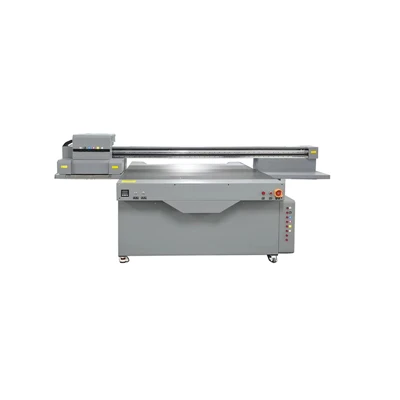
If you’re a fellow apparel printer who’s been on the fence about taking on athletic wear, hit me up to chat. I can hook you up with the best products, share those cheat sheets, and even connect you with other printers who’ve mastered this. Whether you’re a small shop just starting out or a mid-sized one looking to grow, there’s no reason to turn down that crossfit team, soccer league, or yoga studio order. Let’s make your shop the go-to place for all apparel—yes, even the stretchy, synthetic stuff.
UV Printer References
- Textile Screen Printing Association. (2022). Athletic Wear Printing Best Practices. Retrieved from industry publications
- Direct-to-Garment Digital Printing Consortium. (2023). Pre-Treatment Requirements for Synthetic Fabrics. Retrieved from technical guides
- Specialty Ink Manufacturers. (2021). Stretch Inks and Heat Transfer Films for Active Apparel. Retrieved from product technical data sheets
Shenzhen Guangyin United Technology Co., Ltd.
With abundant experience, we are one of the most professional apparel printer manufacturers in China. If you’re going to buy high quality apparel printer made in China, welcome to get quotation from our factory. For price consultation, contact us.
Address: 2nd Floor, Building 7, No.3, Liulian Community, Pingdi Subdistrict, Longgang District, Shenzhen, China
E-mail: guangyinlianhe@gmail.com
WebSite: https://www.chinauvprinter.com/
