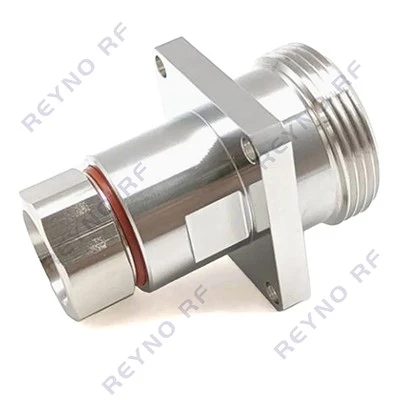
Hey everyone, thanks for swinging by the blog today. If you’re deep in the RF connector game—whether you’re an integrator, telecom tech, or just someone sourcing parts for a project—you’ve probably run into DIN 7/16 connectors before. They’re the workhorses of the RF world, right? Tough, reliable, and built for those high-power, long-range applications where flimsy connectors just don’t cut it. Lately, I’ve gotten a ton of questions from buyers and small-scale manufacturers hitting me up: “What’s the inner contact in a DIN 7/16 actually made of, and does it matter?” As a supplier who’s been selling these for almost a decade, I can tell you this stuff isn’t just random—those inner contacts make or break a DIN 7/16’s performance, and skimping on that part is where people go wrong. DIN 7/16 Connector
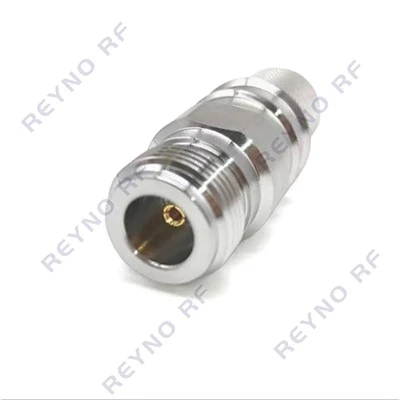
First off, let’s cut through the jargon quick. DIN 7/16 connectors are sometimes called 7/16 DIN connectors, and their inner contact is that central metal pin you plug into another connector’s socket. It’s not just a little pin—its job is to carry RF signals, handle power, resist corrosion, and stay tight even after hundreds of mating cycles. For RF apps, conductivity is non-negotiable; if the inner contact is bad, your signal drops, your power output fades, and all that expensive gear you’re running isn’t working like it should.
Most new buyers don’t realize: not all inner contacts are the same. There’s a standard for DIN 7/16 inner contacts, but there are also cheap knockoff versions floating around that skip critical plating steps. Let’s start with the standard material the International Electrotechnical Commission (IEC) specifies for the base metal: it’s usually brass. Wait, brass? Yeah, leaded brass, specifically C36000 free-cutting brass. Why brass? It’s machinable, affordable, and has way better conductivity than steel or aluminum. Without a good base metal, even the best plating won’t stick right or conduct well. That said, not all brass is created equal. Some budget suppliers use cheap, low-grade brass that’s full of impurities—over time, that brass can corrode, cause pin deformation, and mess up the impedance matching that makes DIN 7/16s so consistent.
Now, the plating part is where almost everyone cuts corners, and that’s the real “inner contact material” that matters day-to-day. The base brass is necessary, but the plating is what actually interfaces with the mating connector, so it’s the main contact surface. Let’s break down the common platings you’ll see for DIN 7/16 inner contacts, from the good stuff to the stuff you should skip.
First, the gold standard for industrial and commercial DIN 7/16s: hard gold plating, usually 2 to 5 microns thick. Wait, gold? Doesn’t that get expensive? It is a bit pricier, but here’s why it’s worth it: gold is super corrosion-resistant, has unmatched conductivity for RF, and doesn’t tarnish even in damp, dusty environments—think cell tower sites, agricultural equipment, marine gear, places that get exposed to the elements. The 2-micron minimum is what IEC specifies for heavy-use applications, but 3-5 microns is standard for long-lasting performance. We use hard gold on most of our premium lines because our clients (telecom carriers, industrial automation teams, military contractors) need connectors that last 10+ years without needing replacement. A lot of people ask if we can do nickel-plated brass instead to save cash—we offer that for low-stress, indoor use like lab test rigs or small office setups, but warn them it’s only for low-cycle use. Nickel is cheaper, but it can corrode faster in outdoor, high-humidity spots.
Then there’s the really bad stuff to watch out for: some no-name suppliers use tin plating for inner contacts. Tin is cheap, but it oxidizes super easily. After a few dozen mating cycles, the tin oxide builds up, causes signal loss, and even makes the pin too thick to insert into the socket—leading to bent pins, loose connections, or even damaged gear. I’ve had clients come to us with dead tin-plated DIN 7/16s from another supplier; half the time, the signal drop was just from oxidized inner contacts, not a faulty antenna or cable. It’s a huge headache, so steer clear of tin-plated inner contacts if you’re buying for outdoor or heavy-use apps.
Wait, there’s also a hybrid option: silver plating. Silver has conductivity almost as good as gold, and it’s cheaper than gold. It’s used a lot in mid-range DIN 7/16 connectors for indoor use, like broadcast studios or in-building DAS (distributed antenna systems). The catch with silver is it tarnishes faster than gold too, especially in environments with sulfur or high humidity—so it’s not the best for cell towers or coastal setups where salt air is a problem. We offer silver-plated inner contacts as a mid-tier option, and we always tell clients to pair it with a sealed housing to keep moisture out, because that extends the silver’s life a lot.
Let me also clear up a common myth: some people think the inner contact is a solid piece, but no—most of the time, it’s a beryllium copper (BeCu) contact with a brass base? Wait, no, hold on—let’s get that right. Some premium inner contacts use beryllium copper as the spring element, because BeCu is springy. Wait, right! DIN 7/16 inner contacts have to be spring-loaded to create a tight, consistent connection, right? That’s why they don’t fall out of the socket easily. So for the spring part of the inner contact, beryllium copper is the go-to, because it retains spring tension way better than brass. Oh, that’s a key point I almost missed. So it’s not just a single metal piece—most are a machined brass base with a beryllium copper spring insert, then plated with gold or silver. The combination is what gives the connector its durability and consistent impedance. If you skip the BeCu spring, the inner contact will loosen over time, leading to signal loss or even intermittent connection issues. I’ve seen that happen with cheap connectors—after a year or two in the field, the inner contact is wobbly, and techs have to replace the whole connector.
Let’s talk about real-world use cases to make this concrete. Last year, we had a client who runs a network of 500 cell towers across the Southeast US. They were buying DIN 7/16s from a random overseas supplier, and they were going bad every 2-3 years. They switched to our gold-plated inner contacts, and now those same connectors have been going strong for 6 years with zero failures. The difference? We used C36000 brass bases, BeCu springs, and 3-micron hard gold plating, which resists the humidity and salt air down there. Another client is a small business that uses DIN 7/16s for their in-building Wi-Fi DAS; they went with our silver-plated mid-range connectors, cost 30% less than gold, and they’ve had zero issues in their office building over the last two years.
So what should you look for when buying DIN 7/16 connectors, specifically the inner contact? First, confirm the base metal is C36000 leaded brass—if a supplier won’t tell you the base brass grade, that’s a red flag. Second, ask about the spring material: if it’s not beryllium copper, run the other way, because the contact will lose tension. Third, ask about plating thickness and type: hard gold (2+ microns) for outdoor/heavy use, silver for indoor, tin for nowhere. Also, make sure the plating is a full, even coat, not patchy—cheap suppliers skip parts of the plating to save money, which leads to corrosion spots.
As a supplier, we test every batch of inner contacts before they leave our warehouse. We do salt spray tests to check corrosion resistance, pull tests to make sure the spring tension is right, and impedance testing to make sure the inner contact is within the IEC standard. A lot of suppliers cut those tests to save time, which is why their connectors fail. We stand by our parts, so if you get our DIN 7/16 connectors and the inner contact doesn’t meet specs, we’ll replace it no questions asked.
I know a lot of buyers just look at the upfront price, but skimping on the inner contact ends up costing way more in the long run. Replaceable connectors aren’t that expensive, but if a bad inner contact damages your antenna or radio, that’s thousands in gear repairs. It’s way smarter to pay a little more for a high-quality inner contact that lasts.
If you’re out there sourcing DIN 7/16 connectors—whether you’re a telecom tech, a lab manager, or someone building a custom RF setup—and you’re not sure which inner contact is right for your needs, hit me up. I can walk you through the best option for your environment: if you’re in a coastal area, we’ll recommend gold plating. If it’s a tight indoor budget, silver is a great pick. If you’re running a test rig that only sees a few mating cycles, nickel-plated is a solid cheap option. No pressure, just honest advice. I’ve been in this game long enough to know that the right inner contact makes all the difference, and I’m here to help you get that right.
Before I wrap up, let’s make sure I didn’t leave anything out. The DIN 7/16 inner contact isn’t some random part—it’s a precision component that balances conductivity, spring tension, corrosion resistance, and durability. The two core materials you’ll see are C36000 brass as the base, beryllium copper as the spring, and plating that’s the key to performance. Skip the tin-plated, low-grade brass stuff, and you’ll save yourself a ton of headaches.
If you have questions, need a quote, or want to talk through a custom project, don’t hesitate to reach out. I’m here to make sure you get the right connector for your needs, no fluff, no hidden fees.
SMA Type Connector References:
International Electrotechnical Commission (IEC) 60169-12:2018, Radio-frequency connectors – Part 12: Sectional specification for 7/16 inch type connectors
ASTM B16, Standard Specification for Free-Cutting Brass Rod, Bar, and Wire for Machining
MIL-STD-1344, Standard Test Method for Connectors, Electrical, Environmental and Performance Testing
Zhenjiang Leiluo Electronic Co., Ltd.
Zhenjiang Leiluo Electronic Co., Ltd. is one of the most professional din 7/16 connector manufacturers and suppliers in China. We have world-leading production equipment and strong manufacturing capabilities. Please feel free to buy advanced din 7/16 connector for sale here and get quotation from our factory. Customized orders are welcome.
Address: No.21 Houxiang Industrial Road, Danbei Town, Danyang City, Jiangsu Province
E-mail: wenvy@rfleiluo.com
WebSite: https://www.rfreyno.com/
