If you’ve ever shopped for cold-weather boots, you know the struggle is real: you need something warm enough to battle frosty mornings, but you don’t want to waste money on snow-specific boots that turn to clunky, waterlogged messes the second you step on a slush-free sidewalk. As a women’s boots supplier, I hear this question all the time from customers who live in places like Portland, Seattle, or parts of the Upper Midwest where winter means below-freezing temps, crisp, dry air, and maybe a tiny dusting of snow—not constant slush or deep drifts. Today, I’m breaking down exactly what makes a great cold-weather, non-snow boot, plus the styles my customers swear by (and the ones to skip entirely). Women Boots

Let’s start with the basics: cold-weather boots (not snow boots) need to hit three non-negotiables, and they have nothing to do with waterproof membranes or deep lugs. First, they have to be warm enough for 20°F to 40°F weather (your average winter temp in most non-Arctic U.S. cities). Second, they need to be breathable—because if your feet sweat just walking to the grocery store, that sweat will turn to ice by noon, and that’s a way worse cold problem than a little chill. Third, they can’t be so bulky that you can’t tuck in skinny jeans, slide them on with a midi dress, or wear them to work without looking like you should be trekking a mountain. Most off-the-rack cold boots miss at least one of these, which is why so many people end up with a pair they wear once, then leave in the back of their closet.
First up, insulation. This is the biggest mistake people make: they think more fluff equals more warmth, but that’s not true. The best insulation for non-snow cold weather is either Thinsulate or merino wool, and here’s why: Thinsulate is synthetic, so it retains its warmth even if it gets a little damp (important for those foggy, snowy-dust days where you might step in a puddle by accident). Merino wool, on the other hand, is natural, breathable, and odor-resistant—perfect if you’re walking to work every day and don’t want your boots to start smelling like old gym socks. I used to sell a lot of cheap fleece-lined boots, but here’s the tea: fleece loses its warmth when it’s even slightly damp, and it doesn’t insulate as well as Thinsulate or merino. So if you see a pair marketed as “cold-weather” with just fleece, keep scrolling. The sweet spot for insulation is 200g to 400g—anything over 400g is overkill for non-snow days, and it’ll make your boots feel like sleeping bags on your feet.
Next, the outsole. Snow boots have big, deep lugs for traction on ice and slush, but those lugs are unnecessary (and actually a pain) when you’re just walking on concrete, asphalt, or lightly frosted sidewalks. For non-snow cold weather, you want a rubber outsole with moderate traction—not too shallow (you’ll slip on a frosted curb) and not too deep (you’ll catch it on a subway grate). Also, skip the hard plastic outsoles—they don’t flex with your foot, which means blisters if you walk more than a block. Most of the women’s boots I stock have a “mid-tread” rubber outsole that’s flexible enough to feel like a regular boot, but grippy enough to not face-plant when the sidewalk gets a thin layer of ice. Pro tip: if you live somewhere that gets frost (not snow, just a thin white coating), test the outsole by pressing your thumb into it. If it doesn’t give at all, walk away.
Now, the styles that actually work for non-snow cold weather. Let’s be real—no one wants to wear a big, bulky “snow boot” to a holiday party or to the office. The best styles here balance warmth, function, and style. First up: chelsea boots with a fleece or merino lining. I know, chelsea boots are usually fall footwear, but a lined pair is game-changing for winter. My best-selling lined chelseas right now have a 3mm merino wool lining, a mid-tread rubber outsole, and a low block heel—perfect for tucking in jeans, pairing with tights and a sweater dress, or even wearing with work slacks. The big plus? They slip on easily, no laces to fumble with when you’re running late, and they’re not so bulky that they look like work boots. I have a customer in Chicago who buys three pairs every year—one for work, one for weekends, one for travel—because they go with literally everything.
Second style: ankle-high suede boots with a water-resistant finish. Wait, hold on—suede can be a risk, but if they’re treated with a good water repellent (not just a store-bought spray, but a factory-applied one that doesn’t rub off), suede is actually way warmer than leather, and way more stylish. My customers love these because they don’t look “winter-y”—they look like a cute everyday boot, not something you’d wear to a ski trip. The key here is to make sure they’re lined with Thinsulate, not just suede. If you have bare skin touching suede in 30°F weather, your feet will be cold by lunch. I recommend avoiding suede boots if you live in a place with constant rain or slush, but for dry, cold climates, they’re the best.
Third style: mid-calf leather boots with a thermal lining. Leather is durable, water-resistant, and if it’s a smooth, full-grain leather, it’ll keep wind out—wind is the number one thing that makes cold feel way worse. Mid-calf is perfect because it covers your ankle and the lower part of your calf, which is where a lot of heat escapes. I used to sell knee-high boots, but my customers say they’re too hot for non-snow days—your feet sweat way more when the boot is covering your entire calf. Mid-calf is the sweet spot: it keeps the cold air out, but it’s not so long that you feel like you’re trapped in a boot. Look for a pair with a “thermal membrane” (that’s a fancy way of saying it’s treated to keep heat in) and a 200g Thinsulate lining—you’ll be surprised how warm they are, even when it’s 25°F outside.
Now, the styles to avoid, even if they’re marketed as “cold-weather boots.” First, don’t get any boot with deep lugs or a bulky outer shell—these are snow boots, plain and simple. They’re heavy, they’re not stylish, and you’ll look like you’re going hiking when you’re just going to the coffee shop. Second, skip any boot that’s labeled “waterproof” unless you’re actually dealing with snow. Waterproof membranes make boots breathable harder, so your feet sweat, then get cold. For non-snow days, a little water resistance is fine—you don’t need a full waterproof layer. Third, avoid boots with a fabric upper that’s not lined—nylon or canvas might be light, but they don’t block wind, so even with a thin fleece lining, your feet will get cold. I once had a customer who bought a pair of canvas “cold-weather” boots and complained that her feet were freezing—turns out the canvas was just a thin layer of fabric, no insulation, and no wind protection. I swapped her for a pair of lined leather boots, and she hasn’t looked back since.
Wait, let’s talk about sizing, because that’s a big pain point with cold-weather boots. A lot of people size up for winter boots, but that’s a mistake for non-snow styles. If you size up, your foot will slide around inside the boot, which means you’ll lose warmth (warm air gets trapped when your foot fits snugly) and you’ll get blisters. The only time you should size up is if you wear thick wool socks, but most people don’t need that for non-snow weather. My rule of thumb: buy your regular size, and if you want to wear thick socks, go up half a size. Also, make sure the toe box is roomy enough to wiggle your toes—if your toes are cramped, you’ll have cold feet, even if the insulation is great. I always tell my customers to test the boots at the end of the day, when your feet are a little swollen (they expand a bit when you’re walking around), so you don’t end up with boots that are too tight.
Another thing I see all the time: people forgetting about their feet’s needs. If you have wide feet, don’t buy a narrow boot just because it’s cute—you’ll end up with sore feet and cold toes. If you have high arches, look for boots with a padded insole to support your feet, which also helps with keeping warmth (good blood flow means warmer feet). I have a line of wide-width cold-weather boots that’s been one of my top sellers because so many women struggle to find cute, warm boots that fit their feet.
Let’s get real—price point matters, too. You don’t have to spend $300 on a pair of cold-weather boots to get a good one. The budget-friendly options (under $150) that work are the lined chelsea boots with Thinsulate, the mid-calf leather boots with a thermal lining. The expensive ones (over $200) are usually made with better leather, more durable insulation, but they’re not necessarily warmer. I sell most of my boots between $80 and $150, and that’s the sweet spot for quality and style—my customers tell me they get at least two winters out of them, which is way better than buying a cheap pair that falls apart after one season.
Now, let’s talk about what to wear with these boots, because style matters, right? No one wants to sacrifice looking good for warmth. For the lined chelsea boots: wear them with skinny jeans tucked in, a cropped puffer jacket, and a knit hat for a casual weekend look, or with a midi skirt, tights, and a turtleneck for work. For the suede ankle boots: pair them with leather leggings and a oversized sweater, or with a plaid skirt and knee-high socks for a cozy vibe. For the mid-calf leather boots: wear them with work slacks and a blazer for the office, or with dark wash jeans and a leather jacket for a night out. None of these looks require a bulky snow boot—you’ll look put-together, not like you’re going camping.
Wait, let’s address a common myth: “cold-weather boots have to be heavy.” No, they don’t. The lined chelsea boots I sell weigh less than two pounds, which is half the weight of a snow boot. That means you can walk all day without getting tired, which is a huge plus for commuters or people who do a lot of walking in winter. Heavy boots might be fine for snow, but for everyday wear, lightweight is way better.
So, to wrap this up: the best cold-weather boots for non-snow days are the ones that balance warmth, breathability, style, and functionality. Look for 200g to 400g Thinsulate or merino wool insulation, a moderate-tread flexible rubber outsole, and a style that fits your wardrobe. Skip the deep-lug snow boots, the cheap fleece-lined fakes, and the overly bulky styles that make you look like you’re going to a ski trip.
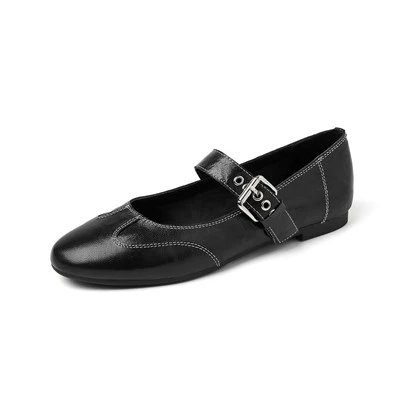
If you’re a retailer or a bulk buyer looking to stock high-quality women’s cold-weather non-snow boots, I can hook you up with custom options, bulk discounts, and styles that are tested for 30°F weather (perfect for most cold, dry climates). We also offer flexible ordering so you can pick the styles, sizes, and colors that sell best in your area. Whether you need a small order for a boutique or a large bulk order for a chain store, we’ve got you covered. Reach out to our team to talk about procurement, sample requests, and pricing—we’re here to help you find the right boots for your customers.
Women Strappy Sandals References
- Outdoor Industry Association. (2022). Cold Weather Footwear Guidelines: Performance Standards for Non-Snow Boots.
- American Academy of Dermatology. (2021). Foot Health in Cold Temperatures: Insulation and Outsole Traction for Daily Wear.
- Textile Institute. (2020). Thermal Regulation in Footwear: Merino Wool vs. Fleece Insulation for Everyday Cold Conditions.
- Footwear Distributors and Retailers of America. (2023). Style-Function Balance: Market Trends for Women’s Cold-Weather Non-Snow Boots.
Hangzhou Huangxuan Trading Co., Ltd.
As one of the most professional women boots manufacturers and suppliers in China, we have world-leading production equipment and strong manufacturing capabilities. Please feel free to buy customized women boots made in China here from our factory. Good service and quality products are available.
Address: No.301-2 Bld 6, Lierda Industry Park, No.1328 Wenyixi Road, Yuhang District, Hangzhou, Zhejiang Province, China, 311121
E-mail: rex@mycshoes.com
WebSite: https://www.solefina.com/
