If you’ve ever peeled off a glossy sticker from a sheet of face masks, ripped a self-adhesive false lash strip cleanly from its backing, or wiped off a temporary tattoo without smudging your skincare routine, you’ve interacted with release base paper—even if you didn’t know it. For years, I’ve supplied this material to brands across industries, and over the last decade, I’ve watched it evolve from a behind-the-scenes packaging component to a foundational element of how beauty products are made, used, and experienced. What many people don’t realize is that release base paper isn’t just a plain sheet holding another product together; its specific coating, thickness, and surface properties make it a workhorse for some of the beauty sector’s most innovative, customer-centric products. Release Base Paper
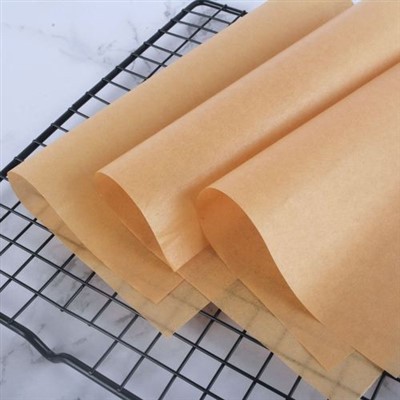
Let’s start with the most widespread, often overlooked application: face mask packaging. If you’ve ever grabbed a sheet mask from a shelf, you might think the thin, flexible sheet of fabric or cellulose is the main event, but the paper it’s sealed to is just as critical. Face mask manufacturers rely on release base paper with a precise silicone coating—thick enough to hold the saturated mask sheet without leaking, but smooth enough to peel away cleanly when you’re ready to use it. Here’s why that matters more than it sounds. If a mask stuck to its backing, customers would fumble with it at a busy gym or before a night out, ruining a pre-made, mess-free experience. Our release base paper is calibrated for just that: a 15 gsm silicone layer and a 120 gsm base paper that balances rigidity (so the sheet doesn’t crumple in transit) and flexibility (so it conforms to the mask’s shape during packaging). We’ve worked with brands that switched to our paper after complaints about mask backings sticking, and the difference in customer reviews was immediate—many noted that “easy peeling” made their mask stand out in a crowded drugstore aisle.
Beyond sheet masks, false eyelashes are another category where release base paper solves a unique problem. Traditional lash backings were often made of plastic, which can be stiff, hard to recycle, and prone to bending lash strips during shipping. Beauty brands have increasingly moved to paper-based backings, and that’s where our material comes in. Lash strips need a backing that’s strong enough to hold the thin, delicate band and individual lash fibers, but not so smooth that the lash adhesive loses its grip when a customer applies it. Our release base paper is coated with a low-release agent—less silicone than mask packaging—so the lash strip peels away easily, but the adhesive on the back of the lash stays intact. We also offer a matte finish option for brands that print intricate designs on lash backings; the paper’s texture works with ink to create sharp, long-lasting logos and product information, which is a small touch that builds brand recognition when customers pull out a lash pair from their makeup bag.
Temporary tattoos are a fast-growing segment of beauty, especially among Gen Z and millennial consumers who use them as a low-commitment alternative to permanent ink. Release base paper is the core of how these tattoos are made and applied. The process works like this: a tattoo design is printed on the release coating side of the paper, then a layer of water-activated adhesive is applied over the design, and a thin paper or polyester top layer covers the whole thing to protect it. When a customer applies the tattoo, they wet the back, and the adhesive releases from the release base paper to stick to their skin. The key here is the release paper’s surface: if the silicone coating is too strong, the tattoo will never transfer; if it’s too weak, the design will smudge during printing or shipping. We’ve refined our coating process over 15 years to get that balance right, and we supply release base paper to several top temporary tattoo brands that create designs for music festivals, makeup collaborations, and even skincare lines that include temporary face decals as a limited-edition product. Customers often comment on how easy these tattoos apply and how long they last—something that starts with the release paper’s consistent performance.
Skincare labeling is another area where release base paper is crucial, though it’s rarely discussed. Many beauty products—especially creams, serums, and balms—use pressure-sensitive labels (PSLs) that need to stick to glass, plastic, or even frosted packaging without peeling, but also need to be removable if a brand needs to update information or if a customer wants to reuse the container. Release base paper is the backing for these PSLs, and its quality directly impacts how the label performs. If the release paper is too thin, it will tear when a brand is applying labels during production, leading to waste and delays. If the coating is uneven, some labels will stick permanently to the paper, leaving brand teams to scrap entire batches. We work with skincare brands to match release base paper to their specific packaging: for glass jars, we use a medium-release coating that keeps labels from falling off during shipping, but also lets customers peel labels cleanly when they’re done with the product. For flexible plastic tubes, which can crease during manufacturing, we use a thicker base paper that withstands the bending of the tube without tearing.
What’s more, the beauty industry’s shift toward sustainable packaging has made release base paper even more valuable. For years, plastic backings and liners were standard, but consumers now demand eco-friendly options, and brands are scrambling to meet that demand. Our release base paper is made from 100% recycled paper fiber, and our silicone coating is food-safe and recyclable—something that many brands don’t realize is an option. A few years ago, a major clean beauty brand reached out to us because they were struggling to find a release paper that met their “zero plastic” requirement. The face mask packaging they were using had a plastic liner, and customers were leaving negative reviews about it ending up in landfills. We developed a custom release base paper with a biodegradable coating (we offer both silicone and bio-based coating options) that worked just as well as their old plastic-lined paper, and helped that brand launch their fully recyclable face mask line. Since then, we’ve supplied similar paper to over 50 clean beauty brands, and that segment of our business has grown 40% year-over-year.
Of course, not all release base paper is the same, and that’s where our experience as a supplier matters. Beauty products have unique requirements that other industries don’t—for example, face masks need to withstand being soaked in serum, so the release paper can’t absorb moisture and warp. False lash backings need to be thin enough so customers can’t feel a bulk between the lash and their lid, but strong enough to ship without bending. Temporary tattoo release paper needs to have a low enough release force so that a 10-year-old can apply the tattoo without help. We test every batch of our paper in-house for these specific use cases: we soak samples in face mask serum for 24 hours to check for warping, measure release force for lash backings with a specialized tool, and test tattoo transfer rates to make sure designs come off cleanly every time.
I’ve seen a lot of trends come and go in the beauty industry, but release base paper has stayed a constant because it’s a solution that no other material can replicate. Plastic backings can’t match the texture for temporary tattoos, fabric can’t stand up to the heat and moisture of face mask packaging, and standard paper can’t balance rigidity and flexibility for lash strips. What’s exciting now is that brands are starting to experiment with new uses for release base paper: some are making peelable sheet masks with built-in exfoliant strips that are sealed to release paper, others are creating lash liners that are printed directly on release paper and applied like a temporary tattoo. These innovations aren’t possible without a supplier that understands both the technical properties of the paper and the unique needs of beauty consumers.
If you’re a beauty brand that’s struggled with release paper sticking, tearing, or not meeting your sustainability goals, I can help. We’ve worked with small indie brands to Fortune 500 companies, and we customize our release base paper to fit your specific product, budget, and requirements. Whether you need a small batch for a new product launch or a large-scale supply for a full line, we have the experience and the materials to make it work. Contact us to discuss your release base paper needs and find the right solution for your beauty products.
Wood Pulp Fluff Pulp References
- Global Beauty and Personal Care Packaging Market Report, 2024–2030. Grand View Research.
- Sustainable Packaging in Beauty: Consumer Demand and Industry Trends. The NPD Group, 2023.
- Technical Guide to Pressure-Sensitive Label Backing Materials. Pressure Sensitive Tape Council, 2022.
- Release Coating Performance for Hygiene and Beauty Applications. TAPPI Journal, 2021.
- Temporary Tattoo Manufacturing Processes and Material Specifications. International Organization for Standardization, ISO 14527:2019.
Senzo New Material Group Co., Ltd.
As one of the most professional release base paper manufacturers and suppliers in China, we also support customized service. Please rest assured to buy high quality release base paper made in China here from our factory. For price consultation, contact us.
Address: Dongying Bonded Area, Shandong, P. R. China
E-mail: info@aonuochina.cn
WebSite: https://www.senzopaper.com/
