If you’ve ever stood on a residential street and wondered how your neighbors power their smart TVs, refrigerators, and holiday lights without the lights dimming mid-movie, the answer is almost certainly a single phase pole mounted transformer. As someone who’s been supplying these units for over a decade now, I can tell you that we don’t just build transformers—we build the quiet, weatherproof workhorses that keep local grids running smoothly. But to get that right, every single unit has to meet strict environmental requirements, many of which aren’t obvious to the average homeowner or even new installers. Let’s break down what those requirements really mean, and why they make such a big difference for your project’s long-term performance. Single Phase Pole Mounted Transformer
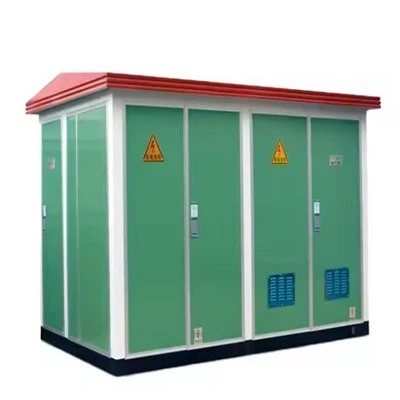
First, I want to start with the basics: a single phase pole mounted transformer is designed to step down high-voltage distribution line power (usually between 7,200 and 34,500 volts) to low-voltage power (120/240 volts) that homes and small businesses use. Unlike the large, boxy transformers you might see on commercial rooftops, these are compact, bolted to wooden or metal poles 10 to 30 feet up, so they’re exposed to every outdoor weather condition Mother Nature can throw at them. That’s why environmental protection isn’t an afterthought here—it’s the first thing we test for, long before we even start assembling the windings or core.
Temperature extremes are one of the biggest challenges, and not just in places like Arizona or Alaska. Even in mild climates, a transformer can sit in direct sunlight for hours on a 100°F summer day, then drop to 20°F overnight in winter. The National Electrical Manufacturers Association (NEMA) sets strict standards for this, and our units are rated for NEMA Class A, B, C, or D depending on where they’re going. Wait, what do those classes mean for someone ordering from a supplier like us? Class A is for mild climates, where average ambient temperatures don’t go above 40°C (104°F) and don’t drop below -30°C (-22°F) for long. But if you’re building in Minnesota, where winter temperatures regularly hit -40°F, you’d need a Class D unit, which is insulated to handle far lower extremes. What trips a lot of people up is that temperature also affects the transformer’s load capacity. If a unit’s exposed to constant high heat, it can’t carry as much power without overheating, which cuts its lifespan by years. We always ask our clients for their local average temps first, because a unit that works in Florida won’t work in Maine—no matter how good the price is.
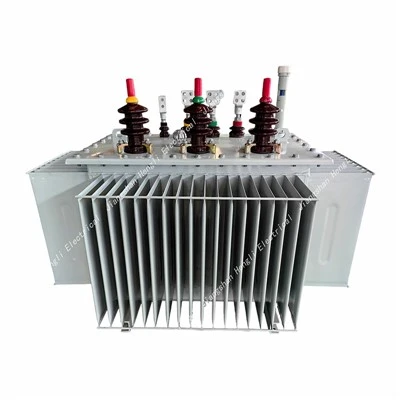
Next, there’s moisture. Pole mounted transformers live outside, after all, so they have to keep rain, dew, and even snow out. But it’s not just about keeping water from getting in—it’s about preventing condensation. When a hot transformer cools down at night, air inside the unit contracts, pulling damp outdoor air in through any tiny gap in the seal. That moisture can get on the windings and cause corrosion, or even lead to electrical arcing, which is a huge fire hazard. That’s why we use a hermetically sealed design for most of our standard units, meaning the tank is completely welded shut, no vents. But we also add a breathing device for units in areas with extreme temperature swings, so they can equalize pressure without letting moisture in. We test every transformer for moisture resistance by submerging the tank in water for 24 hours under pressure; if any water seeps in, it’s sent back for repairs. That level of testing might sound overkill, but I’ve seen too many clients who skipped that step and ended up with units that failed within two years because of rusted internal parts.
Then there’s dust and pollution. If you’re installing a transformer in an agricultural area, it’s going to be exposed to dust, crop residue, and even pesticides. If it’s near a factory, it might get exposed to chemical fumes or salt air from coastal roads. These contaminants can clog the cooling fins on the transformer, make their way past seals, and corrode the metal components. For coastal clients, we use galvanized steel tanks and copper windings coated with a corrosion-resistant varnish, because salt air eats through regular steel in just a few years. For agricultural areas, we add a simple air filter to the breathing valve to keep dust out, which is a cheap add-on that saves a lot of headaches later. I had a client in Iowa a few years ago who tried to save a few bucks by skipping the filter; three years later, the transformer’s fins were so clogged with corn dust that it overheated during harvest season, and they had to replace three units before we talked them into adding the filters. That’s a mistake we never want anyone to make.
Wind is another environmental factor people don’t think about until their transformer falls off the pole. Pole mounted transformers have to withstand high wind speeds, especially in areas prone to hurricanes, tornadoes, or even just strong thunderstorms. We anchor our units to the pole using heavy-duty steel brackets that are tested for winds up to 150 mph, but if you’re installing in Florida or Oklahoma, we can reinforce the brackets even more. Also, the transformer’s weight matters for wind resistance—too light, and it can sway or even tip over in a storm. We calculate the exact weight based on your unit’s size and the local wind codes, so you don’t end up with a unit that’s not secure enough for your area. I’ve had clients call me in a panic after a storm because their transformer’s mount bent; that’s usually because they used a generic bracket that wasn’t rated for their local wind speed. We always ask for wind code requirements when we quote a unit, because that’s non-negotiable.
Pest and animal damage is a weird but real environmental concern. Squirrels, raccoons, and even birds love to chew on the wires and the transformer’s casing. I’ve seen transformers with chewed-through seals that let water in, and others where a squirrel nested in the top, blocking vents and causing overheating. To prevent this, we add a coating of acid-resistant varnish on external wires, and some of our heavy-duty units have a metal guard over the vents. For areas with a lot of squirrel activity, we can also add a chemical repellent to the casing that’s safe for animals but keeps them away. It’s a small extra cost, but it saves you from having to replace a transformer because a squirrel decided to make it a home.
Wait, let’s also talk about environmental impact beyond the unit itself. More and more clients are asking about the materials we use, because they don’t want a transformer that will leach chemicals into the ground when it’s disposed of. We use non-toxic mineral oil as a coolant instead of PCBs, which were banned decades ago because they’re harmful to the environment. Mineral oil is biodegradable, so if there’s a leak, it doesn’t contaminate soil or water. We also design our transformers to be easily recycled at the end of their life—most of the parts can be melted down and reused, which is a big plus for municipalities or commercial clients who have to follow strict waste regulations.
Now, why does all this matter for you? Whether you’re a utility company looking to replace old transformers for a neighborhood, a contractor building a new housing development, or a small business owner needing a unit for a new shop, getting the environmental requirements right means your transformer will last 20 to 30 years instead of 5 or 10. A lot of suppliers cut corners on environmental testing to save money, but that ends up costing you more in the long run—emergency replacements, downtime, repairs. That’s why as a supplier who’s been in this business for years, we prioritize these requirements over cheap materials. We test every single unit before it leaves our warehouse, so you don’t have to worry about it failing once it’s installed.
I’ve worked with hundreds of clients over the years, and I can tell you the biggest mistake people make is not sharing all the details of their site when they request a quote. If you tell me you’re in a coastal area with salt air, or a farm with a lot of dust, or a place that gets extreme winters, we can adjust the unit’s specs to meet those needs. If you just say “I need a 25 kVA single phase transformer,” we’ll give you a standard unit, but it might not hold up in your environment. That’s why communication is key—we don’t just sell a unit; we help you pick the right one for your specific conditions.
At the end of the day, a single phase pole mounted transformer is a small part of the electrical grid, but it’s a critical one. It’s the point where high-voltage power becomes usable, and if it doesn’t work, the whole neighborhood goes dark. That’s why we take environmental requirements so seriously. We don’t just build to a checklist—we build to real-world conditions, because that’s what our clients need.
If you’re planning a project and need a transformer, or you have questions about what specs you need for your site, don’t hesitate to reach out. We can walk you through the requirements, adjust the unit to meet your environmental needs, and make sure you get a transformer that will keep running for decades. There’s no one-size-fits-all here, but with the right information, we can find exactly what you need.
Special Transformer References
- National Electrical Manufacturers Association (NEMA) Standards Publication TP 1-2020, Standard for Distribution Transformers, General Requirements
- Institute of Electrical and Electronics Engineers (IEEE) Standard C57.12.00-2021, General Requirements for Liquid-Immersed Distribution, Power, and Regulating Transformers
- Occupational Safety and Health Administration (OSHA) Publication 1910.305, Electrical Systems Design and Protection
- National Electrical Code (NEC) Article 450, Transformers, Primary and Secondary
Zhejiang Jiangshan Hengli Electrical Co., Ltd.
Zhejiang Jiangshan Hengli Electrical Co., Ltd. is one of the most professional single phase pole mounted transformer manufacturers and suppliers in China, featured by quality products and low price. Please rest assured to wholesale cheap single phase pole mounted transformer in stock here and get pricelist from our factory. Customized orders are welcome.
Address: 212 Fuzhu Street Sidu Town, Jiangshan, Zhejiang, China
E-mail: henglijs@foxmail.com
WebSite: https://www.henlypower.com/
