If you’ve ever stocked up on unopened gasoline engine oil in your garage, maybe after a big sale at the auto parts store, you’ve probably wondered: does it really go bad? As a gasoline engine oil supplier, I get this question all the time—from DIY mechanics who hoard quarts for their pickups, to small shop owners who order bulk drums and need to store them long-term. Let’s break this down without the stuffy jargon, because there’s a lot of misinformation out there about how long unopened oil actually lasts. Gasoline Engine Oil
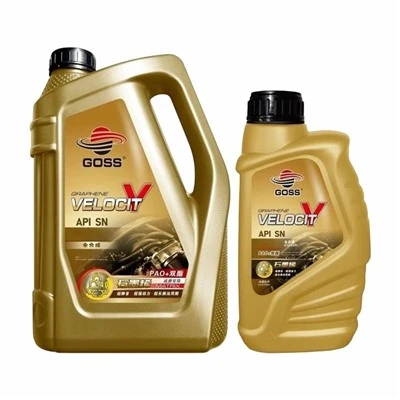
First, let’s set the basics: unopened oil isn’t like a carton of milk, where it goes bad in a week. The “shelf life” here refers to how well it keeps its core properties—lubrication, viscosity (that thick or thin feel that matters for engine parts), and protection against gunk or wear—before it’s no longer safe to pour into an engine. A lot of factors play into this, not just a random number.
The biggest one is how the oil is packaged and stored. I’ve seen drums sitting in a warehouse for 3 years that still test perfect, and quarts left in a damp, leaky cardboard box in a garage that start to degrade in 18 months. Let’s talk packaging first. Most unopened gasoline engine oil comes in sealed containers: plastic jugs, steel drums, even metal cans for racing oil. The seal is non-negotiable here. Once the container is closed properly (manufacturers use hermetic seals that keep air, moisture, and contaminants out), that’s the first line of defense.
Air is a big enemy. Even a tiny gap in a seal lets oxygen in, which causes oxidation. That oxidation breaks down the oil’s additives—things like detergents that keep sludge away, anti-wear agents that protect camshafts and pistons, and friction modifiers that keep your engine running smoothly. Moisture is another one. If a container develops a tiny crack, water seeps in, which can react with the oil over time, leading to acid buildup that eats away at engine parts. Contamination from dirt or grime? Same thing—if the seal is broken, random gunk gets in, and even if it’s unopened (wait, no—unopened means the original seal is intact, right? Yeah, I mean if the packaging is compromised but the cap is still on, like a jug with a dent that broke the inner seal).
Now, general timelines, based on what we test every day at our lab. For most conventional gasoline engine oil, sold in quarts or 5-gallon pails, unopened and stored correctly, that’s about 5 years. Semi-synthetic blends? Same general window—maybe a tiny bit shorter, 4-5 years, because semi-synthetics often have more delicate additive packages than conventional. Full synthetic oil, which we all know is pricier for a reason, can last a lot longer—up to 7 years unopened, if stored right. Why? Synthetics are made from base oils that are more chemically stable, so they don’t break down from oxygen or moisture as easily.
But wait—“stored correctly” is the key here. What does that actually mean? You can’t leave a drum of oil sitting outside in direct Arizona sun, or in a unheated Michigan garage that drops to 0°F in winter. Extreme temperatures are a problem. High heat, like over 100°F, speeds up oxidation—like leaving a soda in the sun, it goes flat faster. Cold? Freezing itself doesn’t ruin oil, but extreme cold can make the base oil thicken, and when it warms back up, that can cause some additives to separate out, which isn’t ideal. The sweet spot for storage is between 40°F and 80°F, in a dry area, away from direct sunlight. Also, keep containers off concrete if possible—concrete can trap moisture, which seeps into the bottom of jugs or drums over time.
I want to clarify something that trips a lot of people up: the “best by” date on the oil jug. You might have noticed that label—manufacturers put that there as a general guideline, not an expiration. It’s not that the oil is suddenly bad on that date; it’s just the point where, if stored correctly, it will still perform as intended. A lot of people toss perfectly good oil because it’s a month past the best by date, which is a waste. Conversely, if oil is stored in bad conditions—like a hot warehouse with leaky roofs, or a garage where it’s been sitting next to a water heater for a couple years—its shelf life is way shorter, maybe only 2 years.
We do regular tests on our products here, because we supply to both DIY shops and professional garages. Last year, we pulled a batch of unopened 5W-30 conventional oil that was 6 years old, stored in our climate-controlled warehouse. We ran viscosity tests, added water content tests, and checked for oxidation levels. It came out almost identical to a fresh batch—we could have shipped it to a customer without any issues. But we also had a customer who stored a 5-gallon pail of 10W-40 for 2 years in his cold, damp garage, and when he tested it, the water content was 3x the safe limit—so that oil was useless. That’s why storage matters more than anything.
Another common question: what about racing oil, specialty oil for high-performance engines? Unopened, that’s usually full synthetic, so shelf life is up to 7 years too, but some high-racing additives might be even more sensitive—so I’d play it a little safe, 5-6 years, just to be sure. And what about bulk drums vs. individual quarts? Drums, as long as the seal is intact, actually hold up better because there’s less surface area exposed to oxygen. A quart jug has a small headspace, but a drum has even less if it’s filled correctly, so oxidation is slower.
Wait, let’s address the myth that oil just “goes bad” on its own, no external factors. That’s not true. Oil doesn’t spontaneously degrade if it’s sealed and stored in normal conditions. The degradation only happens when there’s exposure to something outside the container that breaks down the additives or the base oil. So if you’ve got a stack of unopened quarts from a purchase you made 3 years ago, stored in your closet at 70°F, you’re almost certainly good to use them.
But how do you tell if unopened oil is actually bad, without testing it? There are a few quick checks you can do, even as a supplier, that we recommend to customers. First, look at the color. Fresh conventional oil is a light amber color, full synthetic might be a little darker, but it’s uniform. If the oil is cloudy, or has dark, gritty spots, that’s a sign of contamination from water or dirt—toss that. Second, check for separation. If you leave a jug of oil sitting for a minute, it should be one smooth liquid. If there’s a layer of something clear or murky on the top or bottom, that’s additives separating out, which means it’s degraded. Third, smell it. Fresh oil has a mild, petroleum smell. If it smells sour, or like burnt oil, that’s oxidation—again, time to replace it.
Now, as someone who’s in the gasoline engine oil business, I know a lot of people hoard oil because of sales, which makes total sense—oil is a necessity, and buying in bulk saves money. But you don’t want to hoard so much that it goes bad. A good rule of thumb is to only buy what you can use within the shelf life window, so you’re not wasting money on expired oil. If you do have extra, just make sure you store it properly in a cool, dry place, not near any chemicals that might leak into the container, and keep the seals intact.
I also want to clear up confusion between unopened and opened oil, because that’s another big one. Once you twist the cap off a jug and pour some out, the shelf life drops dramatically—usually to 1-2 years, because now air and moisture get inside each time you use it. That’s a separate topic, but today we’re talking unopened, so I’ll stick to that.
What about regulatory stuff? The EPA doesn’t actually set an expiration date for engine oil, because it’s a petroleum product that’s not classified as hazardous when stored correctly. But manufacturers do have to guarantee that their oil meets performance standards for a certain period, which is why the best by date exists. If oil is unopened and stored right, it will still meet those standards long after the best by date, which is why we’re comfortable selling oil that’s a couple years past its date as long as it checks out in tests.
I’ve had customers reach out panicking because they found a drum of oil in the back of their shop that’s 4 years old, and they weren’t sure if they could use it. Most of the time, after we walk them through the storage conditions, they find it’s totally fine. But if the oil was stored in a hot, damp area, we advise them to test it before using, because using bad oil can cause engine damage—something no one wants, whether you’re a DIYer with a Civic or a fleet manager with 100 pickup trucks.
Here’s a pro tip: if you’re storing a large amount of oil, label each container with the purchase date. That way, you can rotate your stock—use the oldest oil first, so you don’t end up with stuff that’s past its prime. It’s just like storing food, except oil doesn’t rot, so you have a little more flexibility, but rotation still helps.
As a supplier, we take shelf life seriously because we don’t want our customers to get stuck with bad oil. That’s why all of our products have clear storage guidelines right on the packaging, and if a customer calls us with a question about oil they’ve had for a while, we don’t just give a generic answer—we ask about how they stored it, what type of oil it is, and help them figure out if it’s good to use. It’s not just a sale to us; it’s making sure their engines stay running smoothly, which is what we’re all about.
So to wrap this up: unopened gasoline engine oil’s shelf life is not a one-size-fits-all number. It depends on packaging, storage, and type of oil. Stored correctly in a cool, dry place, sealed unopened conventional oil lasts 4-5 years, semi-synthetic 4-5, and full synthetic up to 7. The best by date is a guideline, not an expiration, and you can tell if oil is bad by checking color, texture, and smell.

If you’ve got unopened oil sitting around and you’re not sure if it’s still good, or if you’re looking to stock up on quality gasoline engine oil for your shop or fleet, feel free to reach out to our team to chat through your needs. We can help you pick the right product, share storage tips to extend shelf life, and make sure you’re getting oil that performs when you need it.
Industrial Lubricating Oil References
- American Petroleum Institute (API). 2022. “Engine Oil Shelf Life Guidelines.” API Publication 1509.
- SAE International. 2021. “Effects of Storage Conditions on Lubricant Stability.” SAE Technical Paper 2021-01-0654.
- ASTM International. 2020. “Standard Practice for Storage of Petroleum Products and Lubricants.” ASTM D4057-20.
- Society of Tribologists and Lubrication Engineers (STLE). 2019. “Lubricant Degradation in Long-Term Storage.” STLE Technical Brief.
- International Organization for Standardization (ISO). 2018. “Petroleum Products – Lubricants – Determination of Oxidation Stability.” ISO 4265:2018.
MoGen Lubricating Oils
With abundant experience, we are one of the most professional gasoline engine oil manufacturers and suppliers in China. We warmly welcome you to wholesale custom made gasoline engine oil from our factory. If you have any enquiry about cooperation, please feel free to email us.
Address: No.8003 Chewang Rd, Economic Development Zone Of Jinan, Shandong Province, China 250301
E-mail: sales@mogenoils.com
WebSite: https://www.mogen-oil.com/
