When I first started working with beadlock wheels at our shop, I’ll admit I had no clue how picky tires could be about pairing up. A customer would roll in with a set of beadlock wheels from us, slapping on a tire they’d used for years without a single problem, and suddenly—pop—the tire would lose air at the bead. We’d troubleshoot, re-seat it twice, and still nothing. That’s when I learned the hard truth: beadlock wheels aren’t one-size-fits-all when it comes to tires. And I’ve spent years since then figuring out exactly why that is, so I can help you avoid the headaches my early customers went through. Beadlock Wheels
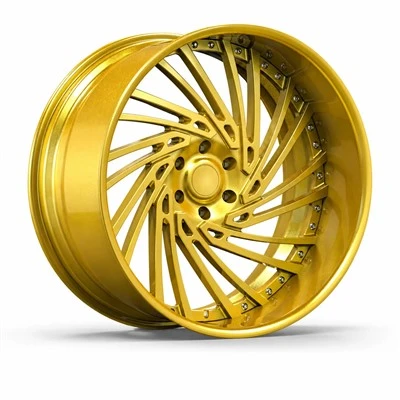
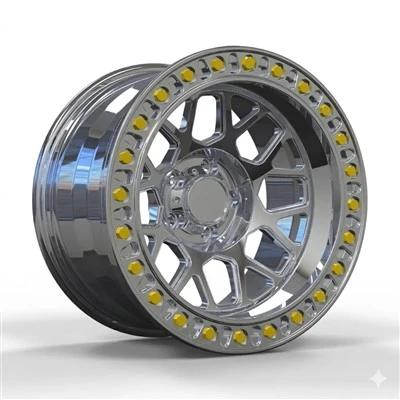
Let’s start with what makes beadlock wheels different from regular wheels, quick recap. Your standard street wheel uses a basic rim bead that pinches the tire’s inner bead against the rim’s hump when you inflate it. Beadlock wheels? They split that job into two parts: an outer ring bolts onto the main rim, sandwiching the tire’s bead tight between the two. That’s why they’re for off-roaders, racers, anyone who runs super low tire pressures for traction. But that extra ring means more surfaces to consider, and that’s where tire brand compatibility gets tricky.
First up, tire bead design. Not all tires are built the same when it comes to that critical part. Some tire brands—especially the big off-road names like BFGoodrich or Maxxis—engineered their beads specifically to work with both regular rims and beadlock setups. But others? Their bead’s shape, thickness, or even the material used (some cheaper budget tires use thinner, more flexible beads to save cost) doesn’t line up with the beadlock’s ring. I’ve seen it a dozen times: a customer grabs a set of cheap trail tires, bolts on beadlocks, and the bead folds right over instead of seating tight. The beadlock ring can’t clamp it down properly, so air leaks out.
Wait, but let’s get specific. Let’s talk about bead profile. Beadlock wheels use either a 90-degree or a 15-degree bead seat angle. Street tires almost always use a 5-degree seat angle, which works fine for regular rims but is too shallow for beadlocks. So even if a tire’s bead is the right thickness, if its internal angle doesn’t match your beadlock’s seat, you’re going to have issues. Some tire brands intentionally design their tires to work with both angles—they market those as “beadlock-compatible” right on the sidewall—but others don’t. I once had a guy come in with a set of niche mud tires from a brand that doesn’t even mention beadlock compatibility, and we had to sand down a tiny bit of the tire’s inner bead to get it to seat. That’s not ideal, and most of the time, it’s not even safe to do.
Then there’s tire size and bead width. Every beadlock wheel has a recommended tire size range. Some brands make narrow beadlocks for 15-inch wheels, others wide for 17s. If you pair a 35-inch wide tire with a beadlock that’s only rated for 33s, the bead is going to stick out past the rim’s edge. The outer beadlock ring can’t cover it all, so it won’t clamp down tight. It’s not just the tire’s overall diameter—though that matters too—it’s the bead’s width specifically. I’ve seen people mix a 10-inch wide beadlock with a 12-inch wide tire (don’t ask why, they saw a sale online) and spend a week chasing air leaks before they figured out the mistake.
Here’s a big one: tire sidewall stiffness. Off-road tires, especially for rock crawling, have super stiff sidewalls to prevent punctures. That stiffness is great for durability, but when you’re clamping it with a beadlock ring, it takes a little more torque on the bolts to get a good seal. Some tire brands build their beads to handle that extra torque; others, like many economy UTV tire brands, use softer sidewalls that flex too much. I had a UTV customer last month who ran a set of cheap all-terrain tires with his beadlock wheels. He tightened the ring bolts to the exact spec we recommended, but after a couple hours on the trail, the sidewall flexed so much that the bead slipped out. We ended up switching him to a set of Maxxis Raze tires, which are built with reinforced beads for beadlock use, and he hasn’t had a leak since.
Wait, but what about street tires? Can you use regular street tires with beadlocks? Technically, yes, but it’s not recommended. Street tires are designed to run at high pressures for highway use, not the low pressures beadlocks are made for. If you drop a street tire to 15 PSI (common for off-roading), the bead will expand and might blow out of the beadlock ring. I’d never sell a customer beadlock wheels without warning them against street tires, unless they’re using them just for show on a daily driver (which is a whole other vibe, but not the intended use).
Now, let’s clear up a myth: just because a tire brand says it’s compatible with beadlocks doesn’t mean it works with every beadlock wheel. Even within the same brand, there are variations. For example, BFGoodrich’s KO2 tire line is labeled beadlock-compatible, but their older KO1 line isn’t. And even with the KO2, I’ve had a few customers say they had to adjust their beadlock bolt torque because the bead sat a little differently. It’s not the brand’s fault—production changes, maybe a new mold, so always double-check the tire’s sidewall and your beadlock’s specs before mounting.
Another angle: heat and friction. When you’re off-roading, especially in races, the tire and bead can heat up a lot. If the tire’s inner bead has a coating that’s not compatible with the beadlock’s ring material, that heat can cause the bead to slide. Most modern tires have a lubricated bead coating that works with both aluminum and steel beadlock rings, but some older tires (or super cheap ones) skip that. I once had a customer with 10-year-old all-terrain tires, no bead coating, and after a few laps at a dirt race, the bead slid right off the rim. He switched to new tires with the right coating, and that was the end of the problem.
Okay, so how do you make it work if you want to pair your beadlock wheels with a new tire? Let me break down the steps I give every customer, no exceptions. First, check the tire’s sidewall. If it says “beadlock-compatible,” that’s a good start—but don’t stop there. Look for the tire’s bead profile, its recommended rim width, and the bead thickness. Second, match the bead’s seat angle to your beadlock. If your beadlock uses a 90-degree seat, get a tire designed for that; 15-degree? Look for a tire with a matching angle. Third, if you’re using a niche tire brand (not the big names), reach out to the manufacturer directly. I know it’s a hassle, but I can’t tell you how many times a customer skipped that and ended up with a useless set of tires. Most tire brands have customer service lines that can confirm compatibility, and they’ll even tell you exactly how much torque to use on your beadlock bolts.
Also, here’s a tip from personal experience: test the seal before you hit the trail. I always tell customers to mount the tire, inflate it to 5 PSI, and submerge the entire bead area in a bucket of water. If you see bubbles, it’s not seated right. Don’t just crank the bolts tighter—that can crack the bead or the rim. Take the tire off, check for any debris on the bead or the rim, and re-seat it. I had a customer a few months ago who skipped this step, drove 2 hours to a trail, and had a tire go flat within 10 minutes. He had to limp back, and he was so mad—all because he didn’t do the 5-minute water test.
Now, what about if you’re set on a tire brand that people say “isn’t compatible”? I wouldn’t recommend it, but if you really want to go that route, here’s what I suggest. First, get a tire that has a reinforced bead—look for terms like “bead protector” or “heavy-duty bead” on the sidewall. Second, make sure the tire’s width is exactly matching your beadlock’s width. If your beadlock is 10 inches, don’t get a tire narrower than 9.5 inches or wider than 10.5 inches. Third, invest in a beadlock ring that has a soft coating—some brands make rings with rubber or nylon liners, which can help grip the tire bead even if it’s not the perfect fit. I’ve seen this work for customers who love a specific budget tire brand but had issues with regular beadlocks. It’s not a permanent fix, but it’s a good middle ground.
Wait, let’s talk about common mistakes that people make. A lot of folks think “if a tire fits the rim size, it’ll work.” No—fit on the rim’s outer edge isn’t the same as the bead’s fit. That’s where so many go wrong. For example, a tire might say it’s a 15×10, which fits a 15×10 beadlock wheel, but the inner bead is too thin for the beadlock’s ring. Or the other way around: the bead is too thick, so the ring can’t clamp it down all the way. It’s super important to measure the bead’s thickness (most tire brands list it in their specs) and compare it to your beadlock’s ring gap. The gap should be just a tiny bit bigger than the bead thickness, so the ring can squeeze it tight.
Another mistake: ignoring wheel material. Wait, beadlock wheels can be aluminum or steel, and some tire beads react differently to metal. Aluminum is softer, so it might mark the tire bead, but it also grips better. Steel is harder, so it can cause the bead to slide if there’s no coating. If you have steel beadlock wheels, make sure your tire’s bead has a protective coating to prevent that sliding. I always warn customers about that— I once sold a set of steel beadlocks to a guy who used a set of old racing tires with no coating, and his bead slid three times in a month. Switching to tires with the coating fixed it immediately.
Let me wrap this up with what I tell every new customer when they’re picking out tires for their beadlock wheels. Beadlock wheels aren’t incompatible with all tire brands—you just have to do your homework. The sweet spot is pairing your beadlock with a tire that’s specifically labeled beadlock-compatible, from a brand that has a good track record with off-road products. If you want a specific niche tire, reach out to the brand, check the specs, and test that seal. Don’t just guess and don’t skip the water test—it’s saved so many people from disaster.
At the end of the day, I’ve been selling beadlock wheels for years, and the number one complaint I get isn’t about the wheels—it’s about bad tire compatibility. So if you’re looking for beadlock wheels that work with whatever tire you have (or want to get), or if you just want to make sure you’re pairing the right ones up, hit me up. I’ve got all the specs, I can walk you through checking your tire’s sidewall, and I’ll help you avoid the headaches I had early on. We can chat about your setup, what you’re using the wheels for, and make sure every part fits together like it should. Don’t waste money on tires that won’t work—let’s get you set up right the first time.
Flow Form Casting Wheels References:
- Off-Road Tire & Wheel Association. (2022). Beadlock Wheel Compatibility Guide for Off-Road Tires.
- BFGoodrich Tires. (2023). Technical Specification: Beadlock-Compatible Tire Designs.
- Maxxis Tires. (2023). UTV Tire Bead Compatibility for Beadlock Wheels.
- SAE International. (2021). Performance Standards for Beadlock Wheel and Tire Pairings.
Hurong (Ningbo) Wheels Co., Ltd.
Hurong (Ningbo) Wheels Co., Ltd. is one of the most professional beadlock wheels manufacturers and suppliers in China, also supports customized service and OEM service. Welcome to wholesale bulk high quality beadlock wheels made in China here from our factory. If you have any enquiry about cooperation, please feel free to email us.
Address: Floor.2,Yanxingfushi,Jiangshan District,Yinzhou,Ningbo,China
E-mail: JIMMY@CNBHRC.COM
WebSite: https://www.hrc-wheel.com/
