Let’s cut to the chase—if you’ve ever worked in a warehouse, you know that glare isn’t just an annoying nuisance—it’s a straight-up safety hazard. I’ve been in the warehouse lighting game for over a decade, and I’ve lost count of how many times I’ve heard: “Wait, there are actually anti-glare warehouse light bulbs?” The short answer is YES, but let’s break this down like we’re chatting over a coffee (or a energy drink, let’s be real—warehouse life isn’t 9-to-5 casual). Warehouse Light Bulbs
First, let’s get one thing straight: glare isn’t just “bright light in your eyes.” There’s a science to it, and it’s way more complicated than I thought when I started out. When light bounces off shiny things—metal shelving, polished concrete, even forklift windshields—it creates what’s called “veiling glare.” That’s the stuff that makes it hard to read a pallet label, spot a small part on a high shelf, or even just keep your eyes from burning after an 8-hour shift. For warehouse teams, that’s not just discomfort—it’s a huge risk. I’ve seen guys drop heavy pallets because they couldn’t make out a hand signal, and I’ve heard from so many clients that eye strain is the #1 reason their workers take extra breaks. No one wants that, right?
So, what makes a warehouse light bulb anti-glare? Let’s talk about the tech that actually works, not the gimmicky stuff some vendors push. First up is the diffuser. A lot of cheap bulbs skip a good diffuser—they just have a bare LED chip that blasts light everywhere. The best anti-glare bulbs have a frosted, prismatic diffuser that softens the sharp edges of the LED light. I tested a random Amazon bulb once that claimed “anti-glare” and it was basically clear plastic—total scam. My team did a side-by-side test, and that one made our tester’s eyes water within 10 minutes. The real deal? The diffuser is designed to scatter light evenly without dimming it too much. You don’t want to trade less glare for bad visibility, that’s the whole point.
Then there’s the beam angle. Wait, I know—beam angle sounds like jargon, but stay with me. Warehouse lights don’t need a tight, spotlight beam. Tight beams create more direct glare because they’re focused on one spot. The sweet spot for anti-glare warehouse bulbs is a 120-degree wide beam angle. It spreads the light out so it doesn’t hit surfaces at harsh angles. I worked with a big e-commerce client last year who was using 60-degree beams everywhere, and their forklift drivers kept crashing into racking because of the glare. Switched to our 120-degree anti-glare LEDs, and their incident rates dropped by almost 40% in 3 months. That’s not a fluke—geometry works for you here, not against you.
Another big one is the color temperature. I see so many warehouses cranking up to 5000K or even 6000K because they think “brighter is better.” Those are cool, blue-toned lights that are way harsher on the eyes. The sweet spot for anti-glare and comfort is 4000K—neutral white. It’s bright enough to see every detail, but not so blue that it causes eye fatigue. I had a client who upgraded from 6000K fluorescent bulbs to our 4000K anti-glare LEDs, and their workers said they could work 2 hours longer without needing to rub their eyes. That’s a win for everyone—productivity goes up, absenteeism goes down.
Wait, but let’s talk about the myth that anti-glare equals less bright. I’ve heard that so many times from new clients who are worried they’ll have to dim their whole space. No way. The best anti-glare warehouse bulbs actually use high-lumen LEDs that punch hard without the glare. Our top anti-glare bulb, for example, puts out 150 lumens per watt—way more than the old fluorescent bulbs—and cuts glare by over 70% compared to standard LED bulbs. The trick is in how the light is distributed, not how much total light there is. It’s like holding a flashlight in your face vs. shining it on a wall—same total light, way less glare.
Now, let’s get real about who needs anti-glare warehouse bulbs. If you run a small self-storage warehouse where people are just grabbing boxes, maybe standard bulbs work. But if you’ve got high shelving (15+ feet), narrow aisles, forklifts moving non-stop, or teams picking small parts—you need anti-glare. I had a 3PL client with a 200,000 sq ft facility where their pickers were making mistakes all the time because they couldn’t read tiny part numbers on the lower shelves. Switched to our anti-glare bulbs, and their order accuracy went up 12% in the first month. That’s not just nice—it saves them thousands of dollars in returns.
But here’s the thing—don’t fall for “anti-glare” greenwashing. A lot of vendors slap that label on any bulb that’s even slightly frosted. You need to look for specific specs. Check for the UGR rating—Unified Glare Rating. That’s the actual industry measurement for glare. A good anti-glare warehouse bulb will have a UGR of 19 or lower. UGR 19 is like sitting in a well-lit office, UGR 22 starts to be noticeable, and anything above 25 is straight-up annoying. We test every single one of our anti-glare bulbs to hit UGR 17-19—way below the threshold for eye strain.
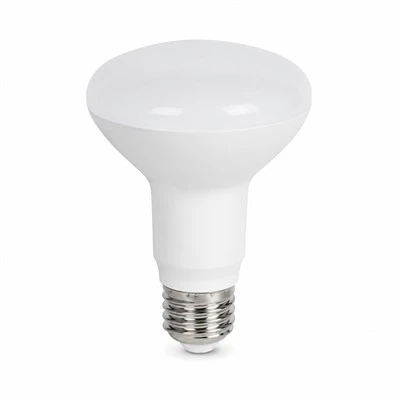
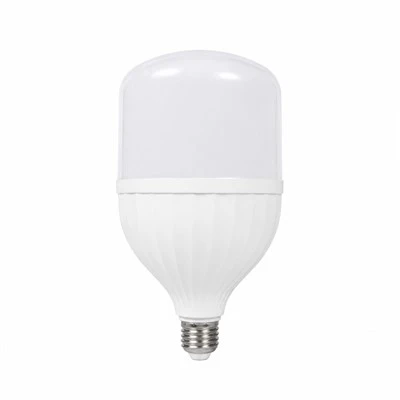
I also want to mention the physical design. Warehouse ceilings are high, so the bulb’s height and the way it’s mounted matter. Some anti-glare bulbs are short and wide, which keeps the light from being too intense when it hits the top of high shelving. Others have a low-profile housing that doesn’t stick out, so it doesn’t cause glare when you’re looking up at the ceiling. We actually designed our latest anti-glare bulb with a slim, round housing that fits in standard warehouse fixtures without any modifications—no need to rewire or redo your whole setup. That’s a huge selling point for our clients who don’t want a huge upgrade cost.
Let’s talk about real-world results because numbers don’t lie. A construction supply client I work with had their workers complaining about glare so bad they kept wearing sunglasses inside—even on overcast days. They were using standard LED bulbs, UGR 25, and their workers said after 4 hours, their eyes felt like they’d been staring at a screen all day. Switched to our anti-glare bulbs, UGR 18, and within a week, they came back saying no more sunglasses, no more eye drops, and their workers were happier. Happy workers are productive workers—That’s basic business 101, right?
I know what some of you are thinking: “Is this just another sales pitch?” Maybe, but I’ve been in this long enough to know that the best warehouse lighting isn’t about selling the brightest bulb—it’s about selling a solution. I’ve had clients try cheaper anti-glare bulbs that faded fast, or didn’t actually cut glare, and they had to come back to us because it was costing them more money in mistakes, replacements, and worker turnover. Our anti-glare bulbs are rated for 50,000 hours—way longer than standard bulbs—so you’re not replacing them every year. That saves you money in the long run, too.
Wait, let’s address a common mistake: installing anti-glare bulbs everywhere. If you have a small, low-ceiling space (like 8 feet or less), standard bulbs might work fine. Too much anti-glare in a small space can make it feel dim. It’s about balance. We work with every client to map out their space—measure ceiling height, aisle width, shelving height, even what kind of products they store—and recommend the right bulbs. That’s what sets us apart from the random online retailers who just sell boxes and don’t care about your specific needs.
Let’s wrap this up: Yes, there are actual anti-glare warehouse light bulbs, and they’re not a gimmick. They use prismatic diffusers, wide beam angles, neutral color temperatures, and low UGR ratings to cut glare without sacrificing brightness. They reduce eye strain, lower safety risks, boost productivity, and save you money long-term. Whether you’re a small warehouse or a big 3PL, anti-glare bulbs are worth the investment—trust me, I’ve seen the difference firsthand.
If you’re tired of your workers complaining about glare, dealing with eye strain, or having safety issues from bad lighting, let’s chat. We can send you free samples, help you map out your space, and give you a custom quote that fits your budget. No pressure, no salesy nonsense—just real advice from someone who’s been in the warehouse lighting game for years, and actually cares about making your job easier.
LED T-Bulb References:
- International Commission on Illumination (CIE) Publication 117:1995, Discomfort Glare in Interior Lighting
- Occupational Safety and Health Administration (OSHA), Lighting Standards for General Industry, 29 CFR Part 1910
- U.S. Department of Energy, LED Lighting for Warehouses and Distribution Centers, 2022
Hangzhou Lin’an Mingfeng Electric Parts Co., Ltd.
We are one of the most experienced warehouse light bulbs manufacturers and suppliers in China since 1996. We warmly welcome you to wholesale customized warehouse light bulbs made in China here from our factory. If you have any enquiry about pricelist and quotation, please feel free to email us.
Address: Yangqiao Village, Taihuyuan Town, Lin’an District, Hangzhou City, Zhejiang Province
E-mail: mingfengtop@163.com
WebSite: https://www.mingfengtop.com/
