Hey there, it’s Jake from your go-to filter press supplier – I know, I know, talking about cleaning a filter press sounds like the most exciting thing you’ll read all week, but trust me, skip this and you’ll be shelling out for replacements way sooner than you should. I’ve heard every horror story from my clients: one paper mill lost $12k in a week because a neglected cloth built up so much pulp the press couldn’t dewater sludge right. Another wastewater plant had to replace an entire filter plate set 18 months early because sediment corroded the frame from sitting too long. This stuff isn’t rocket science, but doing it half-assed will bite you hard. I’m gonna walk you through exactly how to do it right, from the quick daily wipe-down to the deep deep clean you need when things get nasty. Filter Press
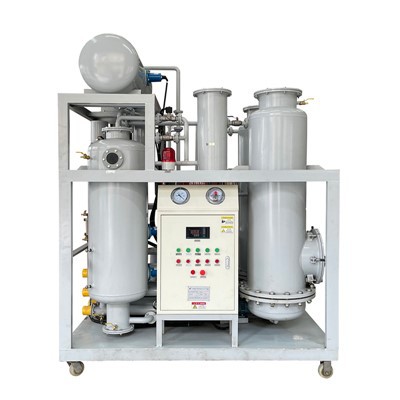
First, let’s cut the crap: why does cleaning even matter? If you run your filter press like you just built a mud pie and walk away, you’re basically grinding solid waste into every nook and cranny. Clogs on the filter cloth mean less surface area for liquid to pass through, so your cycle time blows out – that’s less throughput, more overtime for your crew, and higher energy bills. Then there’s the filter plates themselves: if you leave dried cake stuck in the recesses, it warps the plates over time, making seals leak, so you get sloppy, wet cake that’s harder to dispose of (hello, extra hauling costs). Oh, and don’t get me started on corrosive stuff – like if you’re filtering chemical sludge, that residue will eat through stainless steel frames way faster if you don’t rinse it right away. I’ve seen clients who cut corners on cleaning see their filter press lifespan drop by 40% – that’s tens of thousands of dollars wasted. So yeah, it’s worth your time.
Let’s start with the daily grind – this should be non-negotiable, no matter how swamped you are. Most modern filter presses are made for this, so it’s quick: as soon as you cycle the press and pull the plates apart to discharge the cake, grab a soft bristle brush (think dish brush, not that stiff scrub brush you use on driveways) and a garden hose with a spray nozzle on low pressure. Wait, hold up – high pressure is a no-no here. Too much force will damage the filter cloth fibers, making them tear early, or push gunk into tiny gaps where you can’t get it out, leading to clogs later. I tell all my clients: low pressure, like a regular shower, is perfect for daily. Go plate by plate, brush both sides lightly to knock off any loose cake, paying extra attention to the edges and the grooves where the seals sit – that’s where leaks start. Then a quick rinse to wash away any loose bits. Don’t forget the frame bars! That’s another spot clients miss – dried cake builds up there, making plates stick together when you cycle next time. Wipe those down while you’re at it. This whole process takes 10 minutes max, and it’ll save you hours of deep cleaning later. I had a food processing client who used to skip daily cleans – their deep clean every week would take 3 hours. Now they do daily 10-minute cleans, and their deep cleans only take 20 minutes a month. That’s more time for them to focus on production, not messes.
Now, the weekly deep clean – this is for when the daily stuff doesn’t get all the gunk, like if you have fine solids or sticky sludge that cakes on. First, you gotta disconnect the power, duh – lock out/tag out, just like OSHA says. No exceptions, especially if you’re working around moving parts. Then, take all the plates apart and lay them out on a flat, sturdy surface (I recommend using wooden pallets, not concrete – concrete can scratch the plate surfaces, which leads to leaks). For this, you can step up your water pressure a little, but still no power washing that would bend plates or tear cloth. Most people use a pressure washer set to 1,000 to 1,500 PSI – that’s enough to blast out stubborn stuff without damage. For filter cloths, if they’re super dirty with fine particulates, you can soak them in a bucket of warm water and a mild, non-abrasive detergent (nothing with bleach or harsh chemicals – those will break down cloth fibers over time) for 30 minutes first, then scrub. That cuts down on how much brushing you have to do. Pro tip from me: if you have cloths that get really gunky, mark which plates they came off. Cloths wear differently, so putting them back on the right plate keeps pressure even, no leaks. You don’t wanna swap a fresh cloth with a worn one by accident. For the filter plates themselves, use a plastic putty knife to scrape off any dried-on cake (metal will scratch the plastic or stainless, so skip that) before you rinse. For crevices, use a toothbrush or pipe cleaner to get out bits that are stuck. Once all plates and cloths are rinsed, let them air dry completely before stacking them back up. Storing wet plates or cloths will lead to mold, mildew, and even bacteria buildup if you’re processing food or pharma stuff. Mold also makes cloths less permeable, so that’s another cycle time hit.
Wait, what if you have a super tough job – like handling sludge with heavy solids, or chemical residues that are acidic or caustic? You need a special deep clean, maybe even a chemical flush, for that. Let’s say you’re dealing with alkaline sludge residue – use a mild acidic solution (like white vinegar, or a commercial filter press cleaner made for this) to break it down, then rinse. For acidic residue, a mild alkaline solution works. Always check the manufacturer’s instructions for your specific filter press and cloths – some cloths can’t handle certain chemicals, and using the wrong stuff will make them brittle and tear. Also, when you do chemical flushes, make sure your drainage system can handle whatever you’re using – follow local environmental rules, obviously. I had a mining client a while back who tried to use way too strong a chemical, and it ate through a few of their filter plates. That cost them $8k in replacements, plus downtime while they waited for new ones. Don’t be that guy.
Now, the part most people forget: after cleaning, do a quick inspection. Check filter cloths for tears, holes, or worn spots – if a cloth is 80% worn, replace it, don’t try to patch it. Patches will leak, and you’ll end up with messy cake. Check filter plates for warps or cracks – a warped plate can mess up the entire press’s alignment, leading to leaks. And go over the frame, the hoses, the pump parts, even the pressure gauges – a clogged pressure gauge will make you run the press too hard, damaging parts. I tell all my clients: set a reminder for this inspection every time you do a deep clean, and swap out worn parts before they cause bigger problems. That’s way cheaper than waiting for a breakdown.
Also, let’s talk long-term storage, if you’re not gonna use the filter press for a while – like seasonal shutdowns, or if you’re between projects. Don’t just turn it off and walk away. Do a full deep clean first, then coat all metal parts (frame, pipes, plates) with a light rust inhibitor, and remove the filter cloths, wash them, and store them in a dry, dust-free place. Stack plates loosely so they don’t get warped, and leave the press slightly open so air can circulate, no mold. I had a landscaping company last year who stored their filter press over the winter, and didn’t do this. When they fired it up in spring, half their plates were rusted, and all the cloths had mold stains. They had to replace 12 plates and 8 cloths, which added up to more than the savings they thought they’d get by skipping the proper storage clean.
Wait, let’s address some common mistakes I see all the time. First: using too high pressure when cleaning. Yeah, it gets gunk off faster, but it damages parts. I’ve seen clients use a power washer at 3,000 PSI, and within a month, they had to replace half their cloths. Don’t do it. Second: not drying parts after cleaning. Mold and mildew are a killer, like I said. Third: skipping small cleans. That daily 10 minutes is way better than a 2-hour deep clean every two weeks, plus the downtime from clogs. Fourth: ignoring hidden spots. The frame bars, the grooves in the plates, the hoses leading to the inlet – all those spots build up gunk that causes problems later. Take 2 extra minutes every clean to check those areas.
Look, I know filter press maintenance feels like just another chore on your to-do list, but when you do it right, it saves you so much money and headache. I’ve had clients come to me with filter presses that are 10 years old because they kept up with cleaning, while other clients same age presses were ready for the scrap heap in 5 years. That’s the difference between spending money on new parts and making your existing equipment work for you.

If you’re struggling with your filter press – whether it’s clogs, leaks, short cloth life, whatever – I’m here to help. We’ve got all the parts you need, from soft brushes to replacement cloths to rust inhibitors, and we can walk you through custom cleaning routines for whatever material you’re processing. If you wanna talk specifics, like your sludge type, your press model, whatever, just reach out. No pressure, no sales pitch unless you want it – I’m just here to help you get the most out of your equipment. No one wants to be the guy whose filter press is down when you need it most, so let’s keep yours running smooth.
Transformer Oil Purifier References:
- Filter Press Operation and Maintenance Guidelines, International Society for Industrial Processors, 2021
- Filter Cloth Lifespan: Impact of Cleaning Practices, Journal of Solid Waste Technology and Management, Vol. 47, No. 3, 2020
- OSHA Lockout/Tagout Standard for Process Equipment, 29 CFR 1910.147
Chongqing TOP Oil Purifier Co., Ltd.
Chongqing TOP Oil Purifier Co., Ltd. is one of the most experienced filter press manufacturers and suppliers in China. Please rest assured to buy CE approved filter press made in China here from our factory. We also accept customized orders.
Address: No.1, Jianlong North Rd, Jiulongpo District, Chongqing, China
E-mail: sales@topoilpurifier.com
WebSite: https://www.xboilpurifier.com/
