If you’ve ever spent a weekend tackling a DIY project that requires mixing concrete—think a small backyard patio, a set of fence posts, or a custom garden walkway—you’ve probably stared at a 94-pound bag of ready-mix concrete and wondered, “Is there an easier way?” I hear that question every single day, because as a cement mixer supplier, I talk to homeowners, weekend warriors, and handypeople who are tired of mixing concrete by hand with a shovel and a wheelbarrow. For years, the only options people assumed existed were giant, gas-powered machines meant for construction sites—too big, too loud, and way out of budget for a home project. But that’s not true anymore. Today, there are plenty of cement mixers perfectly suited for home use, and part of my job is to help folks figure out which one works for their project, their space, and their budget. Cement Mixer

First, let’s get one thing straight: mixing concrete by hand isn’t just backbreaking—it’s also inconsistent. When you mix by hand, you end up with clumpy dry spots or soupy wet areas because you can’t evenly distribute water and cement powder. That means your finished concrete is weaker, more likely to crack, and won’t last nearly as long as a mix done with a proper machine. For small home jobs, a cement mixer solves that problem without the hassle of renting a huge piece of equipment or hiring a contractor. But not all mixers are made for residential spaces, so let’s break down what makes a cement mixer home-friendly, and which models are worth considering.
The first thing to look at when shopping for a home cement mixer is size, and by size, I mean both the drum volume and the overall footprint. Construction mixers often have drums that hold 9 cubic feet or more, which is overkill for almost any home project. A typical homeowner only needs enough capacity for 1 to 5 cubic feet of concrete per batch. Why does that matter? A smaller drum means a lighter, more maneuverable machine that fits in a standard garage or even a backyard shed. I’ve had customers tell me they can wheel their 2-cubic-foot mixer through a narrow side gate to their backyard project area, which is impossible with a full-sized model. That’s a huge win for people who don’t have a dedicated work space or a pickup truck to haul a 200-pound machine.
Next, power type is a big consideration for home use. Most residential cement mixers run on standard 120-volt household electricity, which means you don’t need a generator or access to heavy-duty industrial power. Gas-powered mixers are more common on job sites because they can be moved around large areas without a power outlet, but they’re heavier, louder, and require regular maintenance like oil changes and gas line checks. For a homeowner mixing concrete once or twice a year for small projects, an electric mixer is the way to go. They’re quieter—you won’t upset your neighbors on a Saturday morning—and they’re much easier to operate, no need to fuel them up or worry about storing gasoline. There are a few battery-powered models on the market now too, which are great if you don’t have an outdoor power outlet, though they tend to cost a bit more and have shorter run times per charge, so they’re best for very small jobs.
Another key feature for home use is ease of use and maintenance. I’ve seen far too many people get overwhelmed by a complex construction mixer that has too many settings, tight parts, or requires professional repairs if something goes wrong. The best residential cement mixers have simple, open frames that make it easy to pour concrete, clean the drum, and replace worn parts. Look for models with a tilt mechanism—being able to tip the drum to empty the concrete instead of shoveling it out cuts down on mess and back strain. Removable drum liners are a huge plus too; concrete can harden on the inside of the drum if you leave it sitting, but a liner can be pulled out, cleaned, and replaced for a fraction of the cost of fixing a damaged drum. I always recommend to customers that home mixers should have parts that are easy to find at local hardware stores, not just from a specialty industrial supplier, because if a part breaks, you don’t want to wait weeks to finish your project.
Of course, budget is a big factor for most homeowners. When I first started in this business, I thought residential mixers were just cheap, flimsy toys that would break after one use, but that’s changed a lot. You can get a reliable 2-cubic-foot electric cement mixer for between $150 and $300, which is way cheaper than renting a concrete mixer for a weekend (most rental places charge $75 to $150 a day, plus a security deposit). For a slightly larger project, like a 4-cubic-foot mixer perfect for a small patio or a foundation for a shed, you can get a durable model for around $400 to $600. That’s a one-time investment that will last for years of home projects, not just a one-time rental cost. And unlike renting, you don’t have to rush to return the machine before the end of the weekend, so you can take your time getting the concrete just right.
But wait—are there any downsides to using a cement mixer for home projects? It’s important to be honest here, because I don’t want to sell someone a machine that won’t work for their specific needs. If you’re only mixing a single 50-pound bag of concrete—say, to set a mailbox post—a mixer is probably overkill. That’s a job that’s easy to do by hand. But if you’re mixing three or more bags, a mixer is worth every penny. Also, you do need to consider storage. A 2-cubic-foot mixer takes up about as much space as a small lawnmower, so if you have a tiny yard or no garage, you might need to find a spot to store it, like a storage shed or even a corner of your basement. And you will need to clean it after every use; if you leave hardened concrete in the drum, it will throw off the balance of the mixer over time and shorten its lifespan. Cleaning only takes 10 minutes or so, though—just pour a bucket of water and a few shovels of gravel into the drum, run it for a few minutes, and dump it out, and the drum is ready for next time.
Let’s talk about real projects that are perfect for home cement mixers, because that’s what most people care about. If you’re building a 10-foot by 10-foot patio, that’s roughly 1.25 cubic yards of concrete, or about 34 80-pound bags. A 2-cubic-foot mixer can handle about half a bag per batch, so you’d need to do 68 batches over a weekend, which is totally manageable. For a small shed foundation, maybe 20 bags, that’s 40 batches, even easier. Even projects like a set of garden steps, a concrete countertop, or a fire pit base are all jobs that work perfectly with a residential cement mixer. I had a customer last spring who used his 3-cubic-foot mixer to build a full 12-foot by 16-foot patio for his new house, and he told me it took him half the time he thought it would, and the concrete came out way stronger than when he mixed by hand for a small walkway a few years before.
Now, let’s address some common myths I hear all the time from homeowners. The first is that cement mixers are too heavy to move around. Modern residential mixers have built-in handles and small wheels, so you can easily roll them from your garage to your project spot, no heavy lifting required. Even the 4-cubic-foot models only weigh around 100 pounds when empty, and most have enough wheel clearance to handle uneven grass or gravel, which is all you’ll find in a backyard. Another myth is that they’re too loud for residential areas. Electric models run at around 70 decibels, which is about as loud as a vacuum cleaner—nowhere near as loud as a gas-powered construction mixer, which can be over 100 decibels, loud enough to damage your hearing. You won’t have to worry about getting noise complaints from your neighbors on a Saturday morning with an electric home mixer.
If you’re still on the fence about whether a cement mixer is right for your home, let’s go over a quick checklist. First, how much concrete are you planning to mix? If it’s more than 3 to 4 bags total, a mixer is a good investment. Second, do you have access to a power outlet for an electric model, or space to store and charge a battery-powered one? Third, do you have space to store a mixer when you’re not using it? If you can answer yes to all three, a residential cement mixer is probably perfect for you.
At the end of the day, the goal of any home project is to get a result that lasts, and mixing concrete correctly is the first step to that. A cement mixer for home use takes the physical strain out of mixing, produces a consistent, strong mix every time, and saves you money compared to renting or hiring a contractor for small to medium jobs. I’ve been in this industry for years, and I’ve seen so many homeowners go from dreading concrete projects to looking forward to them once they have the right tool for the job.
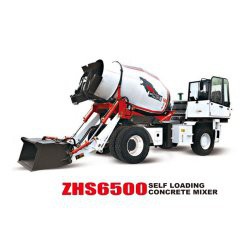
If you’re ready to learn more about which home cement mixer works best for your specific project, space, and budget, our team is here to help. We carry a full range of residential mixers from compact 1-cubic-foot models perfect for small fence post jobs up to durable 5-cubic-foot models for larger patios and foundations, and we can walk you through features, pricing, and how to get started with your project. Whether you’re a first-time DIYer or a seasoned handypeople, we can help you find the right equipment to get your job done right. Don’t hesitate to reach out to our team to discuss your concrete mixing needs and find the perfect solution for your home project.
Transit Mixer References
Portland Cement Association. (2021). Concrete Mixing Methods: Hand vs. Mechanical Mixing. Retrieved from industry technical resources
National Association of Home Builders. (2020). Residential DIY Project Equipment Guide: Concrete Mixers. Retrieved from construction and home improvement technical publications
U.S. Department of Energy. (2019). Energy Efficiency of Residential Electric Power Tools: Cement Mixers. Retrieved from energy and home improvement technical resources
Shandong Fuxin Automobile Technology Co., Ltd.
We’re well-known as one of the leading cement mixer manufacturers and suppliers in China, featured by quality products and good price. Please rest assured to buy advanced cement mixer made in China here from our factory. Contact us for more details.
Address: West of Nanshou Road, Beihai Road, Weifang City, Shandong Province
E-mail: h17616861003@gmail.com
WebSite: https://www.fuxinautomobile.com/
