As the owner of a fast assemble container house supplier, I get this question every single day from potential clients—whether they’re small business owners looking to turn a shipping container into a mobile café, a family researching affordable tiny homes, or a construction company needing temporary site offices with basic amenities. “Can fast assemble container houses be equipped with bathrooms?” It’s a fair question, and the short answer is: Yes, they absolutely can—and we’ve designed hundreds of these units over the past 10 years to prove it. What’s more, modern fast assembly technology has made bathroom integration not just possible, but seamless, functional, and durable enough for daily use, no matter if the container is meant for residential, commercial, or industrial purposes. Fast Assemble Container House

Let me start with a common misconception I’ve seen over the years. A lot of people still picture old, repurposed shipping containers—sturdy metal boxes with zero plumbing, tiny interior space, and no way to install a toilet or shower without major modifications. That’s partially true for containers built before 2015, when fast assemble design for these structures was still in its early stages. But today’s fast assemble containers are engineered from the ground up to accommodate utilities, including bathrooms, without sacrificing their key benefit: quick setup. When our engineering team designs a container unit, we plan for bathroom space and plumbing lines from the very beginning, not as an afterthought. That’s why most of our standard models include a 6-foot by 8-foot bathroom nook, which is more than enough for a compact toilet, vanity sink, and even a small shower. For larger units, we can expand that space to 8 feet by 10 feet for a more spa-like feel, if that’s what a client needs.
The first thing to consider when adding a bathroom to a fast assemble container is structural integrity. Some people worry that cutting holes in the container’s metal walls or floor to run pipes will weaken it, but that’s not the case if it’s done correctly. Our team uses a precise, CNC-cut process to drill and shape openings for plumbing lines, which are reinforced with steel brackets to maintain the container’s load-bearing capacity. We also use corrosion-resistant piping—usually PVC or PEX—because these materials are lightweight, easy to work with, and resistant to rust, which is crucial for containers that might be used in humid coastal areas or rainy climates. Another structural trick we’ve developed over time is a raised subfloor for bathroom areas. This subfloor is insulated, sealed to prevent leaks, and sloped gently toward a drain point we install in advance, so water flows out evenly without pooling. No more standing water on the floor, which is a common problem with makeshift bathroom setups in containers.
Plumbing is another big concern. How do you connect the container’s bathroom to a water source, especially if it’s a mobile unit that might be moved to different locations? For stationary containers, like a permanent tiny home or a site office on a long-term construction project, we run traditional plumbing lines that connect to municipal water and sewer systems, just like any other building. We also install a backwater valve to prevent clogs, which is a simple add-on that has saved our clients from major plumbing headaches. For mobile containers, like pop-up retail stands or temporary disaster relief units, we offer two options: a hook-up system that connects to a temporary water tank and portable composting toilet, or a fully plumbed setup with a gray water tank. Gray water tanks capture shower and sink water, which can be filtered and reused for irrigation—an eco-friendly feature that’s super popular with our sustainable design clients. We’ve even worked with a farm in Iowa that uses our mobile container units with bathrooms, and they fill the gray tanks to water their vegetable rows, cutting down on their water use by 40 percent.
One of the biggest advantages of fast assemble containers with bathrooms is the speed of setup. Most people assume that adding a bathroom would mean weeks of construction, but that’s not true with our process. A standard 20-foot container unit with a full bathroom can be delivered to a site and set up in less than a day. The plumbing, electrical, and bathroom fixtures are pre-installed in our factory, so once the unit is on-site, we just need to connect it to water and power. That’s a huge difference from building a traditional home, which can take months. We had a school district in Texas last year that needed temporary classrooms with bathrooms after a fire damaged their main building. They ordered 12 of our 24-foot container units, each with a bathroom, and we had all of them delivered and ready for use in two weeks—something that would have taken at least three months with traditional construction.
Durability is another factor we don’t overlook. A lot of clients are worried that a container bathroom won’t hold up to regular use, especially if it’s a high-traffic space like a gym locker room or a public restroom for a festival. Our bathroom walls use water-resistant vinyl paneling instead of drywall, which can warp or mold when exposed to moisture. The toilet and sink are commercial-grade, made to withstand frequent use, and the shower has a slip-resistant tile floor that’s easy to clean. We also install a ventilation fan in every bathroom, which is key to preventing mold and mildew buildup. Without proper ventilation, even a small bathroom can develop moisture problems, but our fans are energy-efficient and quiet, so they don’t add noise or high utility costs. We’ve had a music festival client use 10 of our container restrooms for three years straight, and they told us recently that the bathrooms are still in perfect shape—no leaks, no mold, no fixture damage. They’re planning to order more for next year because they’re more reliable than portable toilets, which break down all the time in outdoor event settings.
Let me also talk about customization. Every client has different needs, so we don’t use a one-size-fits-all approach to bathroom design. If someone wants a container bathroom for a tiny home, we can add a compact, space-saving toilet and a corner shower to maximize the small space. If it’s for a commercial office, we can install a larger vanity with storage, a mirror with LED lighting, and even a heated towel rack for comfort. For a construction site, we can make the bathroom more rugged, with heavy-duty fixtures and a handwashing station at the entrance for workers. We’ve even done a container unit for a couple that wanted a home gym with a bathroom, so we added a skylight over the shower area to let in natural light, which makes the space feel less cramped. All of these customizations are done in our factory, so there’s no guesswork or on-site modifications that could go wrong.
I know some people might still have questions about cost, which is a big factor when choosing a container house. A common myth is that adding a bathroom will make the container too expensive, but that’s not the case when you work with a reliable supplier. When we include a bathroom in our fast assemble containers, it costs about 15 to 20 percent more than a basic unit without a bathroom. Compare that to building a traditional home addition with a bathroom, which could cost thousands of dollars more per square foot, and it’s clear that container bathrooms are a cost-effective option. For example, a 20-foot basic container might cost around $15,000, and adding a full bathroom would bring it to $17,250 to $18,000. That’s a fraction of the cost of building a 50-square-foot bathroom in a traditional home, which would easily run $10,000 or more. We also offer financing options to make it even more accessible, so small business owners and families don’t have to pay the full cost upfront.
There are a few common mistakes we see clients make when trying to add a bathroom to a container, and I always make sure to warn people about these. First, don’t try to cut corners on plumbing. Using cheap pipes or skipping reinforcement for the floor will lead to leaks and structural damage down the line. Second, don’t forget about local building codes. Every city and county has different rules for container structures, especially when it comes to plumbing and electrical. Our team is familiar with building codes in most areas, and we can help clients get the necessary permits, so they don’t run into problems with local inspectors. Third, don’t overlook ventilation and insulation. A bathroom with no ventilation will develop mold, and a poorly insulated bathroom will be too cold in the winter and too hot in the summer, making it uncomfortable to use. We include proper insulation and ventilation in every bathroom unit, so clients don’t have to worry about those issues.
Over the years, I’ve seen how container bathrooms have changed the way people use fast assemble container houses. They’re not just basic metal boxes anymore—they’re functional, comfortable spaces that can serve as homes, offices, restrooms, or even luxury getaways. We’ve had clients turn container units with bathrooms into Airbnb rentals, where guests love the unique design and the full bathroom, which is a big selling point compared to other tiny homes. We’ve also worked with nonprofits that use our container bathrooms in homeless shelters, giving people a private, clean space to use instead of shared, unsanitary facilities. The feedback we get from these clients is always the same: they didn’t think a container could have such a nice, usable bathroom, but it works better than they expected.
At the end of the day, the answer to “Can fast assemble container houses be equipped with bathrooms?” is a resounding yes. It’s no longer a niche feature—its a standard option that our clients rely on for all kinds of projects. The key is working with a supplier who designs and builds these units with bathroom integration in mind, not as an afterthought. We’ve spent years refining our process, testing materials, and learning from our clients, and we can confidently say that a fast assemble container with a bathroom is durable, functional, affordable, and quick to set up.
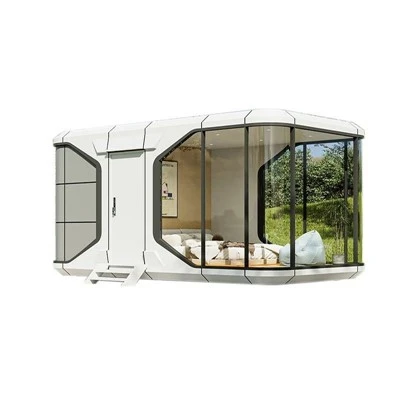
If you’re considering a fast assemble container house and need a bathroom, or if you have questions about customization, setup, or cost, I’d love to hear from you. We work with clients across the country, from small residential projects to large commercial ventures, and we’re happy to discuss your specific needs and provide a custom quote. Don’t let outdated misconceptions about container structures hold you back—contact our team today to explore how a container with a bathroom can fit your project.
Folding Container House References
- International Code Council. (2021). International Building Code: Chapter 12—Structural Design.
- Container Home Association. (2022). Best Practices for Plumbing and Electrical in Shipping Container Structures.
- U.S. Department of Energy. (2021). Energy-Efficient Ventilation for Small Bathrooms in Residential Structures.
Tangshan Jingrong Trading Co., Limited
With abundant experience, we are one of the most professional fast assemble container house manufacturers and suppliers in China. Please feel free to wholesale customized fast assemble container house made in China here from our factory. For price consultation, contact us.
Address: Room 1103, Tangshan Rongtong Building, Lubei District, Tangshan City, Hebei Province.
E-mail: Linda@tscontainerhouse.com
WebSite: https://www.tscontainerhouse.com/
