Alright, fellow valve enthusiasts! I’m a supplier of Duplex Steel Valves, and today we’re gonna dig deep into one of the most important yet often misunderstood topics in the valve world: the pressure drop across duplex steel valves. Duplex Steel Valves
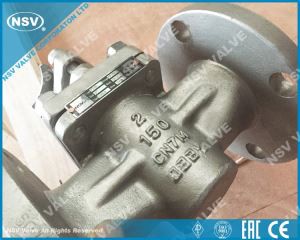
What the Heck is Pressure Drop Anyway?
Let’s start with the basics. Pressure drop is the decrease in pressure that occurs as a fluid – that could be liquid or gas – flows through a valve. It’s like when you’re trying to squeeze toothpaste out of a tube. If the opening of the tube is small, you’ve got to push harder to get the toothpaste out. That extra push is kind of like the energy you lose in the form of pressure drop when the fluid has a hard time flowing through the valve.
In a more technical sense, every time a fluid moves through a valve, it encounters resistance. This resistance comes from a bunch of factors like the valve’s design, the size of its opening, and the roughness of its interior surface. The pressure drop is a measure of how much energy the fluid loses as it overcomes these resistances.
Why Does Pressure Drop Matter in Duplex Steel Valves?
Now, you might be wondering, "Why should I care about pressure drop in my duplex steel valves?" Well, let me tell you, it’s a big deal for a few reasons.
First off, energy efficiency. In industrial settings, pumps and compressors are used to move fluids through pipes and valves. If the pressure drop across a valve is too high, the pumps and compressors have to work harder. That means they use more energy, which in turn costs more money. And let’s face it, nobody wants to pay more for energy than they have to.
Secondly, pressure drop can affect the performance of your entire system. If the pressure drop is inconsistent or exceeds the design limits, it can lead to problems like flow instability, reduced flow rate, and even equipment damage. For example, if a valve has a high pressure drop, it might not be able to control the flow of fluid accurately, which can mess up the operation of other components in the system.
Factors Affecting Pressure Drop in Duplex Steel Valves
So, what causes pressure drop in duplex steel valves? There are several factors at play here.
Valve Type
Different types of valves have different flow characteristics, which determine how much pressure drop they’ll cause. For example, gate valves are known for having a relatively low pressure drop when fully open because they provide a straight – through flow path. On the other hand, globe valves have a more complex flow path, which usually results in a higher pressure drop. Ball valves fall somewhere in between, offering a good balance of low pressure drop and quick shut – off capabilities.
Valve Size
The size of the valve is also crucial. A valve that’s too small for the flow rate will create a significant constriction, causing a high pressure drop. It’s like trying to pour a large amount of water through a tiny straw. Conversely, a valve that’s overly large might not be well – controlled, and it could also lead to operational issues. So, it’s all about finding the right size for your specific application.
Flow Rate
The speed at which the fluid is flowing through the valve has a big impact on pressure drop. As the flow rate increases, the resistance the fluid encounters also goes up, leading to a higher pressure drop. This relationship is usually non – linear, meaning that a small increase in flow rate can cause a relatively large increase in pressure drop.
Fluid Properties
The characteristics of the fluid itself matter too. Viscosity is a major factor. High – viscosity fluids, like thick oils, flow more slowly and encounter more resistance than low – viscosity fluids, like water. So, valves handling high – viscosity fluids tend to have a higher pressure drop. Density also plays a role, as heavier fluids generally require more energy to move through the valve.
Measuring Pressure Drop Across Duplex Steel Valves
Now that we know what pressure drop is and what causes it, how do we measure it? Well, there are a few ways.
One common method is to use pressure sensors. You can install pressure sensors upstream and downstream of the valve. The difference in pressure readings between the two sensors gives you the pressure drop across the valve. These sensors can be either mechanical or electronic, and they’re pretty accurate as long as they’re properly calibrated.
Another way is to use the valve’s flow coefficient, also known as Cv. The Cv value is a measure of the valve’s capacity to pass fluid. By knowing the Cv value of a valve and the flow rate of the fluid, you can calculate the pressure drop using some mathematical formulas. However, keep in mind that the Cv value is usually determined under specific conditions, so you might need to make some adjustments for your actual application.
Minimizing Pressure Drop in Duplex Steel Valves
As a supplier of duplex steel valves, I’m always looking for ways to help my customers minimize pressure drop. Here are some tips:
Choose the Right Valve Type
As I mentioned earlier, different valve types have different pressure drop characteristics. So, make sure you select the valve type that’s best suited for your application. If you need a low – pressure – drop valve for a high – flow application, a gate valve or a ball valve might be a good choice.
Optimize Valve Sizing
Proper sizing is key to minimizing pressure drop. Work with a professional engineer or use sizing software to determine the right valve size for your flow rate, pressure, and fluid properties. Don’t just go for the biggest valve you can find, as that might not be the most efficient solution.
Keep the Valve Clean
Over time, valves can accumulate dirt, debris, and scale on their interior surfaces. This can increase the roughness of the surface and cause a higher pressure drop. Regular maintenance, including cleaning and inspection, can help keep your valves in good working condition and reduce pressure drop.
Conclusion and a Little Pitch
Well, that’s a wrap on our discussion about the pressure drop across duplex steel valves. I hope you’ve learned something useful. Remember, understanding and managing pressure drop is crucial for the energy efficiency and performance of your valve systems.
If you’re in the market for high – quality duplex steel valves that are designed to minimize pressure drop and provide reliable performance, I’m your go – to supplier. I’ve got a wide range of valve types and sizes to meet your specific needs. Whether you’re in the oil and gas industry, chemical processing, or any other field that requires high – performance valves, I can help you find the right solution.

Don’t hesitate to reach out for more information or to start a discussion about your valve requirements. Let’s work together to make your valve systems more efficient and cost – effective.
References
- "Handbook of Valves and Actuators", Different authors, Published by several industrial publishers
- "Fluid Mechanics and Thermodynamics of Turbomachinery", S. L. Dixon, CAMBRIDGE UNIVERSITY PRESS
Spring Safety Valve Contact me to start discussing your procurement needs!
NSV Valve Corporation
NSV Valve Corporation is one of the most professional duplex steel valves manufacturers and suppliers in China, featured by quality products and good service. Please rest assured to buy duplex steel valves made in China here from our factory.
Address: Puyi Road,Sanqiao Industrial Zone, Oubei Street, Yongjia County,Zhejiang,China
E-mail: info@nsvvalve.com
WebSite: https://www.nsvvalves.com/
