Are there any standards for the lighting in passenger elevators?
As a supplier of passenger elevators, I often encounter questions from clients about the various aspects of elevator design and functionality. One question that comes up quite frequently is whether there are any standards for the lighting in passenger elevators. In this blog, I will delve into this topic, exploring the existing standards, the importance of proper lighting, and how it impacts the overall elevator experience. Passenger Elevators
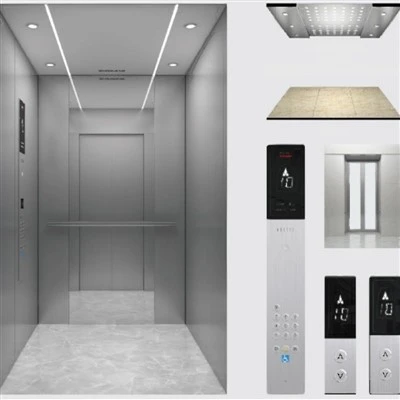
Understanding the Existing Standards
Yes, there are indeed standards for the lighting in passenger elevators, and these standards are in place to ensure the safety, comfort, and functionality of the elevator environment. Different countries and regions may have their own specific codes and regulations regarding elevator lighting, but there are also some widely – recognized international standards.
For instance, the International Organization for Standardization (ISO) and the European Committee for Standardization (CEN) have guidelines that set out requirements for elevator lighting. In general, these standards specify the minimum illuminance levels that should be maintained inside the elevator car. Illuminance is measured in lux, which is a unit of luminous flux per unit area.
Typically, the minimum illuminance level inside a passenger elevator car is around 50 lux when the elevator is stationary and the doors are open. This level ensures that passengers can clearly see the control panel, the interior of the car, and any emergency instructions. When the elevator is in motion, the illuminance level may be slightly lower but should still be sufficient for passengers to feel safe and comfortable.
In addition to illuminance, these standards also address other aspects of lighting, such as color temperature and color rendering index (CRI). Color temperature is measured in Kelvin (K) and affects the perceived warmth or coolness of the light. A color temperature in the range of 3000K – 4000K is often recommended for elevator lighting as it provides a neutral, comfortable light that is neither too warm nor too cool.
The color rendering index (CRI) is a measure of how accurately a light source reveals the colors of objects compared to a natural light source. A higher CRI (preferably above 80) ensures that colors inside the elevator car appear natural and true, which is important for passengers to distinguish between different buttons on the control panel and to read any signage or emergency instructions.
The Importance of Proper Lighting in Passenger Elevators
Proper lighting in passenger elevators is not just about meeting the standards; it has several important implications for the elevator users and the overall elevator system.
Safety: Adequate lighting is crucial for safety. Passengers need to be able to see clearly inside the elevator car to avoid tripping over any obstacles, to identify the correct floor buttons, and to read emergency instructions in case of an emergency. In a well – lit elevator, passengers are also less likely to feel anxious or disoriented, which can contribute to a safer and more relaxed environment.
Comfort: Lighting can significantly affect the comfort level of passengers. A well – designed lighting system can create a pleasant and inviting atmosphere inside the elevator car. Soft, diffused lighting can make the space feel more spacious and comfortable, while harsh or flickering lights can be a source of discomfort and annoyance. Passengers are more likely to have a positive perception of the building and the elevator service if they experience a comfortable and well – lit elevator ride.
Aesthetics: The lighting in an elevator can also enhance the overall aesthetics of the elevator car. It can be used to create a specific mood or style, whether it’s a modern, minimalist look or a more luxurious and elegant feel. By choosing the right lighting fixtures and design, the elevator can become an integral part of the building’s interior design, adding value to the property.
Functionality: Good lighting is essential for the proper functioning of the elevator’s control panel and other components. The buttons on the control panel need to be clearly visible, and any indicators or displays should be easy to read. In addition, proper lighting can help maintenance personnel to perform inspections and repairs more efficiently.
Challenges in Meeting Lighting Standards
While the standards for elevator lighting are clear, there are some challenges that elevator suppliers and building owners may face in meeting these standards.
Energy Efficiency: One of the main challenges is to balance the requirements for adequate lighting with energy efficiency. Traditional incandescent bulbs are less energy – efficient compared to modern LED lights. However, simply replacing all the lighting fixtures with LEDs may not always be straightforward. LED lights can have different characteristics in terms of color temperature, CRI, and dimming capabilities, and it is important to choose the right type of LEDs to meet the lighting standards while also optimizing energy consumption.
Space Constraints: Elevator cars are relatively small spaces, and there may be limited room for installing lighting fixtures. The lighting design needs to be carefully planned to ensure that the fixtures are installed in a way that provides even illumination throughout the car without causing any glare or shadows. In addition, the fixtures need to be durable and resistant to vibration and movement, as elevators are constantly in operation.
Cost: Upgrading or installing a lighting system that meets the standards can be costly. There are not only the costs of the lighting fixtures themselves but also the installation, maintenance, and replacement costs over time. Building owners may be hesitant to invest in high – quality lighting systems, especially if they are operating on a tight budget.
As a Supplier, Our Approach
As a passenger elevator supplier, we understand the importance of meeting the lighting standards and addressing the challenges associated with elevator lighting. We work closely with our clients to provide customized lighting solutions that meet their specific needs and requirements.
Design and Consultation: We offer design and consultation services to help our clients choose the right lighting fixtures and layout for their elevator cars. Our team of experts takes into account the size, shape, and intended use of the elevator, as well as the overall aesthetic of the building. We also provide advice on energy – efficient lighting options and how to optimize the lighting system for maximum performance and comfort.
Quality Products: We source high – quality lighting fixtures from reputable manufacturers. Our products are carefully selected to meet the lighting standards in terms of illuminance, color temperature, and CRI. We also ensure that the fixtures are durable, reliable, and easy to maintain, reducing the long – term costs for our clients.
Installation and Maintenance: Our experienced installation team ensures that the lighting system is installed correctly and in accordance with the design specifications. We also provide regular maintenance services to keep the lighting system in good working condition. This includes checking the illuminance levels, replacing any faulty bulbs or fixtures, and ensuring that the system is energy – efficient.
Conclusion
In conclusion, there are indeed standards for the lighting in passenger elevators, and these standards play a crucial role in ensuring the safety, comfort, and functionality of the elevator environment. While there are challenges in meeting these standards, as a passenger elevator supplier, we are committed to providing our clients with high – quality lighting solutions that meet their needs and exceed their expectations.
Freight Elevators If you are in the market for passenger elevators and are interested in learning more about our lighting solutions or other elevator features, we encourage you to reach out to us. Our team of experts is ready to discuss your requirements and provide you with a customized solution that suits your building and budget.
References
- International Organization for Standardization (ISO) standards related to elevators
- European Committee for Standardization (CEN) elevator lighting guidelines
- Industry research on the impact of lighting in elevator environments
Ningbo Dongao Elevator Co., Ltd.
As one of the most experienced passenger elevators manufacturers and suppliers in China, we also support customized service. We warmly welcome you to buy high quality passenger elevators for sale here from our factory. For quotation, contact us now.
Address: No. 16 Xiapan Road, Ninghai County, Ningbo City, Zhejiang Province
E-mail: 13777289058@163.com
WebSite: https://www.daelevator.com/
